Autoimmune myositis — encompassing polymyositis (PM), dermatomyositis (DM), and inclusion body myositis (IBM) — is a group of rare inflammatory muscle diseases where the immune system attacks skeletal muscle tissue, causing progressive weakness, fatigue, and in some forms, lung and skin involvement. While conventional treatment relies on long-term immunosuppression, a targeted anti-inflammatory nutritional approach can reduce disease activity, protect muscle mass, support the gut-immune axis, and dramatically improve quality of life alongside medical care.
Autoimmune myositis is a family of idiopathic inflammatory myopathies (IIMs) characterized by immune-mediated destruction of skeletal muscle. The immune system — through cytotoxic T-cells, autoantibodies, and interferon-driven inflammation — targets muscle fibers, leading to proximal muscle weakness, elevated muscle enzymes (CK, LDH, aldolase), and, in some subtypes, life-threatening lung, heart, and skin involvement.
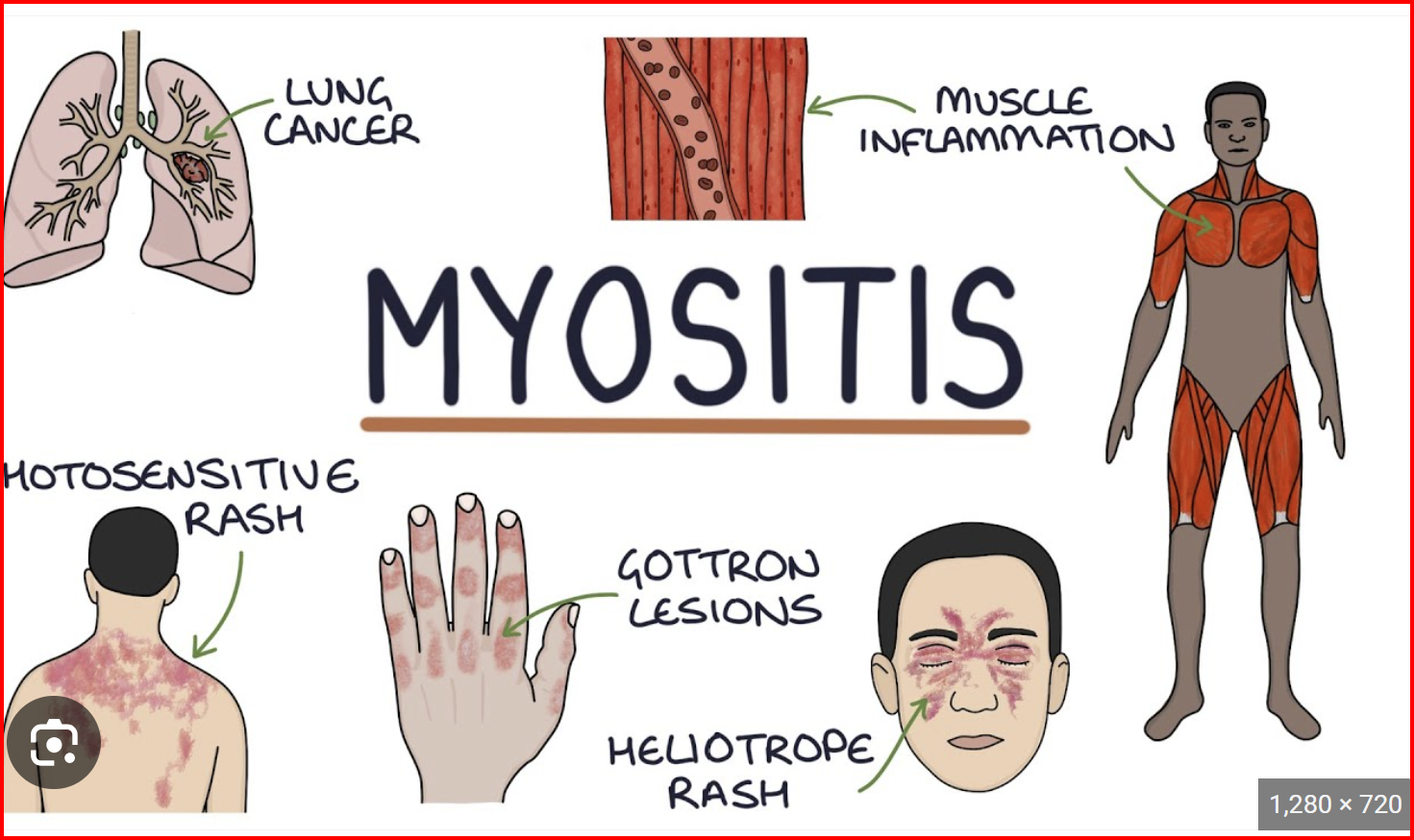
The disease spectrum includes polymyositis (diffuse muscle inflammation without skin involvement), dermatomyositis (muscle inflammation with characteristic skin rashes — heliotrope rash, Gottron's papules), inclusion body myositis (a slowly progressive form predominantly affecting men over 50, with distal muscle involvement), and antisynthetase syndrome (PM/DM with interstitial lung disease, mechanic's hands, and Raynaud's phenomenon, triggered by anti-Jo-1 or related autoantibodies).
The root cause is multifactorial: genetic susceptibility (HLA-DRB1 alleles), environmental triggers (viral infections — Coxsackie B, SARS-CoV-2, EBV — UV radiation, drugs such as statins, checkpoint inhibitors, and penicillamine), and gut dysbiosis that disrupts central immune tolerance. The gut-muscle-immune axis — through leaky gut, dysbiotic microbiome, and systemic inflammation — plays a far larger role in disease perpetuation than is recognized in conventional rheumatology.
CD8+ cytotoxic T-cells invade non-necrotic muscle fibers, causing symmetric proximal muscle weakness (hip flexors, shoulder girdle) without skin involvement. Affects adults predominantly (rarely children). CK is dramatically elevated (5,000–50,000 U/L). Dysphagia (difficulty swallowing) occurs in up to 30% of cases. Associated with increased cancer risk (especially ovarian and non-Hodgkin's lymphoma) — malignancy screening is mandatory at diagnosis. Responds better to immunosuppression than dermatomyositis in most patients. Some cases previously classified as PM are now reclassified as IBM or anti-synthetase syndrome on closer analysis.
The most common inflammatory myopathy in those over 50, IBM is unique: it preferentially affects distal muscles (finger flexors, knee extensors), causes slowly progressive weakness over years to decades, has CK levels that are only mildly elevated (2–10x normal), and is almost entirely resistant to all immunosuppressive treatments — making it the most challenging subtype. Muscle biopsy reveals characteristic inclusion bodies (rimmed vacuoles, tubulofilamentous inclusions). The pathophysiology combines immune-mediated muscle injury with a degenerative, Alzheimer's-like protein aggregation process (amyloid-β, TDP-43, p62). There is no proven disease-modifying therapy for IBM; creatine monohydrate, resistance exercise, and anti-inflammatory nutrition are the current best evidence-based interventions for preserving function.
Autoimmune myositis presents across a spectrum from subtle muscle aching and fatigue to rapidly progressive weakness, respiratory failure, and multi-organ involvement. Early recognition of red-flag symptoms is critical — particularly signs of interstitial lung disease and cardiac involvement.
The hallmark of PM and DM: symmetrical weakness of the proximal muscles — difficulty rising from a chair without using arms, climbing stairs, lifting objects above shoulder height, or combing hair. Weakness develops over weeks to months. The proximal-dominant pattern distinguishes myositis from most peripheral neuropathies and from IBM (which adds distal weakness). Muscle pain (myalgia) is surprisingly variable — some patients have profound weakness with minimal pain; others have significant myalgia with only moderate weakness. Weakness without significant pain is a key feature that often delays diagnosis.
Involvement of pharyngeal and upper esophageal muscles causes difficulty swallowing (dysphagia) in up to 30–50% of patients — often the most functionally disabling symptom. Nasal regurgitation of liquids, choking on food, and a sensation of food sticking in the throat are typical. Aspiration pneumonia is a serious complication and a major cause of disease mortality. Dysphonia (voice changes) results from laryngeal muscle involvement. Dysphagia in myositis requires formal swallowing evaluation (modified barium swallow) and usually a speech-language pathologist consultation.
Disproportionate fatigue — beyond what muscle weakness alone explains — is universal in autoimmune myositis. The fatigue is immune-driven (cytokine-mediated — IL-6, TNF-α, IFN-γ), not simply due to deconditioning. Patients describe an inability to sustain any physical effort, post-exertional worsening, and cognitive fog ("brain fog") that closely resembles chronic fatigue syndrome. Fatigue is often the symptom most resistant to immunosuppressive treatment — making nutritional and lifestyle strategies targeting mitochondrial function and neuroinflammation particularly valuable.
Heliotrope rash: violaceous (lilac-purple) discoloration of the upper eyelids, often with periorbital edema — pathognomonic for DM. Gottron's papules: raised, erythematous, scaly papules overlying the metacarpophalangeal and interphalangeal joints — the most specific skin sign. "V-sign": erythema of the anterior chest and neck in a V-shaped distribution. "Shawl sign": erythema of the upper back and shoulders. Mechanic's hands: cracking, fissuring, and hyperpigmentation of the radial aspect of the fingers — associated with antisynthetase syndrome and anti-Jo-1 antibody. Calcinosis (calcium deposits under the skin) occurs predominantly in juvenile DM.
ILD occurs in 20–40% of PM/DM patients and is the leading cause of myositis-related mortality. Anti-MDA5 DM can cause rapidly progressive ILD with respiratory failure within weeks. Symptoms: progressive exertional dyspnea, dry cough, reduced exercise tolerance, fine bibasal crackles on auscultation. Screening (HRCT chest, pulmonary function tests — DLCO is particularly sensitive) should be performed at diagnosis and regularly thereafter. The anti-inflammatory diet — particularly high-dose omega-3 and curcumin — has documented anti-fibrotic effects in the lung relevant to ILD prevention and progression.
Subclinical cardiac involvement occurs in up to 70% of myositis patients — often detected only by cardiac MRI or Holter monitoring. Clinically significant manifestations include conduction abnormalities, cardiomyopathy (dilated or hypertrophic), pericarditis, and heart failure. Cardiac troponin-I (rather than the skeletal-muscle-derived troponin-T) is a specific marker of cardiac myositis. Patients with dyspnea, palpitations, or peripheral edema require echocardiography. The magnesium, omega-3, and CoQ10 components of the nutritional protocol specifically support cardiac muscle function and reduce arrhythmia risk in the context of myocarditis.
Autoimmune myositis arises from a convergence of genetic predisposition, environmental triggers, and — increasingly recognized — gut microbiome dysfunction that destabilizes central immune tolerance and sustains the autoimmune attack on muscle tissue.
Multiple studies have identified distinct gut microbiome dysbiosis in autoimmune myositis — with depletion of anti-inflammatory genera (Faecalibacterium prausnitzii, Akkermansia muciniphila, Bifidobacterium) and expansion of pro-inflammatory species (Prevotella copri — strongly linked to inflammatory arthritis and myositis). Increased intestinal permeability (leaky gut) allows bacterial lipopolysaccharides (LPS) to enter circulation, activating Toll-like receptor 4 (TLR4) on dendritic cells and amplifying the type-I interferon response that drives myositis pathology. Correcting gut dysbiosis is therefore not peripheral but central to disease management.
Muscle biopsies in all myositis subtypes — and especially IBM — show profound mitochondrial dysfunction: reduced oxidative phosphorylation, decreased Complex I and IV activity, mtDNA deletions, and ragged red fibers (COX-negative fibers on Gomori trichrome). This mitochondrial failure amplifies oxidative stress — reactive oxygen species from dysfunctional mitochondria further damage muscle proteins and DNA, perpetuating inflammation in a vicious cycle. The downstream consequences are profound fatigue, exercise intolerance, and impaired muscle recovery. Nutrients that restore mitochondrial function — CoQ10, alpha-lipoic acid, PQQ, NAD+ precursors (NMN/NR), and creatine — are therefore mechanistically justified as core therapeutic targets in myositis, not merely adjuncts.
Accurate diagnosis requires integration of clinical features, muscle enzyme levels, myositis-specific autoantibodies, imaging, and biopsy. Ongoing monitoring tracks disease activity and treatment response — and identifies the complications (ILD, malignancy, cardiac involvement) that determine prognosis.
Creatine kinase (CK) — the primary marker of muscle damage; typically 5–50x normal in PM/DM, 2–10x in IBM. Aldolase — elevated; adds sensitivity when CK is mildly elevated or normal (can occur in DM). Lactate dehydrogenase (LDH) and AST — also elevated from muscle tissue, not liver. Troponin-I (cardiac-specific) — distinguishes skeletal muscle troponin-T from cardiac involvement. The CK trend over time — falling with effective treatment, rising with relapse — is the most useful disease activity marker in clinical practice.
MSAs define clinical subtypes and predict prognosis: Anti-Jo-1 (histidyl-tRNA synthetase) — antisynthetase syndrome with ILD, arthritis, mechanic's hands, fever, Raynaud's; anti-MDA5 — DM with high ILD risk (rapidly progressive); anti-TIF1γ — DM with highest cancer association; anti-Mi-2 — classic DM, good treatment response; anti-SRP — necrotizing myopathy, severe weakness; anti-HMGCR — statin-triggered necrotizing myopathy. A comprehensive MSA panel (MyoMarker 3P, Euroimmun, Inova) should be performed at diagnosis — results directly inform treatment decisions and cancer screening intensity.
MRI with STIR (Short TI Inversion Recovery) sequence is the most sensitive non-invasive marker of active muscle inflammation — detecting edema in inflamed muscle before CK rises and after CK normalizes. Critical for identifying the best biopsy site, monitoring treatment response, and differentiating active myositis from steroid-induced myopathy or post-inflammatory fibrosis. Whole-body MRI (WB-MRI) maps the extent of muscle involvement across multiple muscle groups simultaneously — increasingly used in clinical trials as a disease activity measure.
Anti-inflammatory elimination diet, omega-3, curcumin, vitamin D, gut healing, CoQ10, creatine, NAD+ precursors, resistance exercise
The myositis diet is built on two simultaneous goals: aggressively suppressing the immune-driven inflammatory cascade that destroys muscle tissue, and providing the specific nutrients that restore mitochondrial function, preserve muscle mass under steroid therapy, and heal the gut dysbiosis that perpetuates the autoimmune attack.
Montmorency cherry anthocyanins reduce muscle CK by 22%, decrease DOMS 24 hours post-exercise, and provide melatonin — essential for sleep-dependent muscle repair. 30mL tart cherry concentrate or 480mg extract daily.
Ground flaxseed provides ALA omega-3, lignans (reduce autoantibody production in lupus and related AIDs), and soluble fiber feeding F. prausnitzii. 2 tablespoons daily ground fresh (pre-ground oxidizes rapidly).
Complete plant protein with leucine content for muscle protein synthesis; genistein (isoflavone) reduces IL-6 and TNF-α; fermented tempeh provides Bacillus subtilis natto — same organism producing nattokinase — supporting gut and immune balance.
Reishi (Ganoderma lucidum) — suppresses NF-κB, modulates Th1/Th2 balance, reduces autoantibody titers in animal autoimmune models. Turkey tail (PSK/PSP) — the most studied mushroom immune modulator; supports Treg induction. Lion's mane — nerve growth factor support relevant to IBM.
These supplements are selected based on mechanistic rationale (matching the specific pathological processes of myositis) and available clinical evidence from myositis, related inflammatory myopathies, and autoimmune disease research. Always review with your rheumatologist for interactions with immunosuppressive medications.
| Supplement | Mechanism & Evidence | Suggested Dose | Timing | Notes |
|---|---|---|---|---|
| Vitamin D3 + K2-MK7 | Vitamin D is a master immune modulator: it suppresses Th17 cells (key autoimmune drivers), promotes regulatory T-cells (Tregs), directly inhibits IFN-α production, and reduces expression of NF-κB target genes. Deficiency is nearly universal in autoimmune myositis and correlates with higher disease activity scores, greater ILD severity, and increased anti-Jo-1 antibody titers. A 2022 meta-analysis confirmed vitamin D deficiency independently predicted worse outcomes in inflammatory myopathies. K2-MK7 directs calcium away from soft tissues (preventing ectopic calcification, a complication of juvenile DM particularly); prevents hypercalcemia from high-dose D3. | Vitamin D3: 5,000–10,000 IU/day targeting 60–80 ng/mL; K2-MK7: 180–360mcg/day | With the largest fat-containing meal (both fat-soluble) | Test 25-OH vitamin D at baseline and every 3 months when supplementing — titrate dose to achieve 60–80 ng/mL. Do not take D3 without K2 at these doses (hypercalcemia risk). Monitor calcium and PTH annually at doses above 8,000 IU/day. Interactions: corticosteroids dramatically deplete vitamin D — higher replacement doses are needed in steroid-treated patients. |
| Omega-3 (EPA + DHA) | At therapeutic doses, EPA and DHA suppress TNF-α, IL-6, IL-1β, and IFN-α through multiple mechanisms: competitive displacement of arachidonic acid in cell membranes (reducing prostaglandin-2 and leukotriene-4 synthesis), direct activation of GPR120 (anti-inflammatory receptor on immune cells), suppression of NF-κB, and production of pro-resolving mediators (resolvins, protectins) that actively terminate inflammation. In the lung, omega-3 reduces TGF-β1-driven fibroblast activation — directly relevant to ILD prevention. Omega-3 also improves mitochondrial membrane fluidity, restoring electron transport chain efficiency in dysfunctional myositis muscle mitochondria. | 4–6g EPA + DHA/day | With the largest fat-containing meal; split doses improve tolerance | Use triglyceride-form fish oil (Nordic Naturals Ultimate Omega, Carlson Elite) — 70% more bioavailable than ethyl ester. Refrigerate after opening. Monitor omega-3 index at 3 months — target above 8%. At doses above 4g/day, monitor for blood thinning if on anticoagulants. EPA:DHA ratio of 2:1 (EPA-dominant) is preferred for anti-inflammatory effect; DHA-dominant formulas preferred for cognitive and mitochondrial membrane support. |
| Curcumin (BCM-95 or liposomal) | Curcumin directly inhibits NF-κB (preventing transcription of IL-6, TNF-α, IL-1β, COX-2, and VCAM-1), suppresses JAK1/2 and STAT1/3 signaling (the same pathway targeted by tofacitinib), reduces type-I interferon production by plasmacytoid dendritic cells, and inhibits TGF-β1-driven lung fibrosis (directly relevant to ILD). Additionally activates Nrf2 (antioxidant response element), upregulating glutathione and protecting mitochondria from oxidative stress. Multiple RCTs in RA (a mechanistically related autoimmune condition) demonstrate significant reduction in CRP, IL-6, DAS-28 scores, and joint swelling. Bioavailability of standard curcumin is less than 1% — use BCM-95 (7–8x bioavailable) or liposomal formulation exclusively. | 1,000–2,000mg BCM-95 curcumin/day (500–1,000mg standard curcumin equivalent) | With fat-containing meals (fat significantly improves absorption); divide into 2 doses | BCM-95 (Bioperine-free, uses turmeric essential oil) and Meriva (phosphatidylcholine complex) are the most bioavailable oral forms. Curcumin may potentiate warfarin — monitor INR if on anticoagulation. May also potentiate the immunosuppressive effect of tacrolimus in theory — monitor with rheumatologist. Start at 500mg and increase over 2 weeks (loose stools possible initially at higher doses). |
| CoQ10 Ubiquinol | Addresses the mitochondrial Complex I and IV dysfunction documented in muscle biopsies of PM, DM, and IBM — restoring the electron transport chain activity required for ATP synthesis in muscle tissue. As a lipid-phase antioxidant, CoQ10 prevents oxidative damage to mitochondrial DNA and membrane lipids — breaking the oxidative stress cycle that perpetuates mitochondrial failure in inflamed muscle. Also directly reduces muscle damage markers (CK) by protecting mitochondrial membranes from lipid peroxidation. In the cardiac context of myocarditis, CoQ10 has RCT evidence for improving ejection fraction and reducing cardiac event risk. Statins — commonly prescribed alongside myositis — further deplete CoQ10, making supplementation critical. | 400–600mg Ubiquinol/day | Divided into 2 doses with fat-containing meals | Ubiquinol (reduced form) is 3–4x more bioavailable than ubiquinone — essential for therapeutic effect, especially in patients over 50 who have impaired conversion capacity. Jarrow QH-Absorb, Qunol Ultra Ubiquinol, and Doctor's Best are reliable brands. Takes 6–8 weeks for tissue saturation and measurable effect on fatigue and CK levels. Safe long-term; no known interactions with immunosuppressive medications at standard doses. |
| Creatine Monohydrate | The only supplement with RCT-level evidence specifically for autoimmune myositis: two randomized controlled trials demonstrated that creatine monohydrate (5g/day) improved muscle strength, function (time-to-stand test, 6-minute walk distance), and reduced post-exercise CK elevation in myositis patients — including IBM. Mechanism: replenishes phosphocreatine stores, dramatically accelerating ATP regeneration during high-intensity muscle contraction; reduces muscle protein breakdown; activates satellite cells (muscle stem cells) for repair. In IBM — where there is no proven disease-modifying therapy — creatine combined with supervised resistance training is the current best evidence-based intervention for preserving functional independence. | 5g/day (no loading phase required) | Post-exercise on exercise days; with any meal on rest days | Use pharmaceutical-grade creatine monohydrate (Creapure, NOW Sports, Optimum Nutrition) — avoid creatine ethyl ester or kre-alkalyn (inferior evidence). Requires 2L+ water/day — ensures adequate hydration. Contraindicated in kidney disease — check creatinine and GFR before starting. Safe for long-term use at 5g/day — the loading phase (20g/4x for 5 days) is unnecessary and may cause GI discomfort. |
| NMN or NR (NAD+ Precursors) | NAD+ is the essential cofactor for mitochondrial Complex I (NADH dehydrogenase) and all SIRT1/3 (sirtuin deacetylase) activity. In myositis — particularly IBM — NAD+ depletion from chronic inflammation, aging, and oxidative stress profoundly impairs mitochondrial OXPHOS, PGC-1α activation (master mitochondrial biogenesis regulator), and SIRT3-mediated mitochondrial protein quality control. NMN (nicotinamide mononucleotide) and NR (nicotinamide riboside) restore NAD+ levels within days of supplementation; activate PGC-1α, promoting new mitochondria synthesis; reduce NF-κB activation (NAD+-dependent SIRT1 deacetylates and inactivates p65 subunit of NF-κB); and improve fatigue and exercise capacity in clinical trials of aged populations and inflammatory conditions. | NMN: 500–1,000mg/day or NR: 500–1,000mg/day | Morning on empty stomach or with light breakfast (avoids competition with tryptophan absorption at larger meals) | Both NMN and NR are effective NAD+ precursors; NMN may have superior bioavailability based on recent human pharmacokinetic data. Uthever (NMN), Tru Niagen (NR), and Elysium Basis (NR) are reputable brands with third-party testing. Avoid combining high-dose NAD+ precursors with niacinamide (which inhibits SIRT1 at high concentrations). Monitor liver enzymes at 3 months if using doses above 1g/day. |
| Magnesium Glycinate or Malate | Magnesium is required for over 300 enzymatic reactions — including all ATP synthesis (ATP exists in cells as Mg-ATP), muscle contraction and relaxation, NF-κB suppression, and mitochondrial membrane potential maintenance. Deficiency — common in myositis, compounded by corticosteroid use (which increases renal magnesium wasting) and GI malabsorption from gut dysbiosis — amplifies inflammatory cytokine release, promotes muscle hyperexcitability and cramping, and impairs sleep quality. Magnesium malate specifically has evidence for reducing fibromyalgia-type muscle pain (relevant to the diffuse myalgia of myositis); magnesium glycinate provides superior bioavailability and glycine (additional gut-barrier repair benefit). | 400–600mg elemental magnesium/day | Divided: 200mg with dinner, 200–400mg before bed (promotes sleep and nocturnal muscle relaxation) | Magnesium glycinate and malate forms have no laxative effect at these doses; avoid magnesium oxide (poorly absorbed, causes diarrhea). Red blood cell (RBC) magnesium — not serum magnesium — accurately reflects tissue stores. Use RBC magnesium at baseline; serum magnesium can be normal even with significant intracellular depletion. Target RBC magnesium above 5.5 mg/dL. |
| Alpha-Lipoic Acid (R-ALA) | R-ALA is a mitochondrial cofactor for pyruvate dehydrogenase and alpha-ketoglutarate dehydrogenase — two key enzymes in the TCA cycle that are impaired by oxidative damage in myositis. R-ALA regenerates all major cellular antioxidants (Vitamin C, E, glutathione, CoQ10) by reducing their oxidized forms, creating a comprehensive antioxidant network that protects mitochondria from the oxidative stress cycle driving muscle damage. Also activates Nrf2 (synergizing with sulforaphane from cruciferous vegetables), suppresses NF-κB, and reduces TGF-β1 fibrogenic signaling. Additionally improves insulin sensitivity (reducing the risk of steroid-induced diabetes) and supports peripheral nerve function in IBM-associated neuropathic features. | 300–600mg R-ALA/day (R form is 2x more bioavailable than racemic ALA) | On empty stomach 30 minutes before meals — food significantly reduces absorption; take with 500mg biotin if using long-term (ALA competes with biotin for transport) | Use R-ALA (R-lipoic acid) — not racemic ALA (DL form); Pure Encapsulations, Jarrow, and Thorne provide reliable R-ALA products. Do not take with insulin or hypoglycemic agents without monitoring (ALA improves insulin sensitivity significantly). If using with methotrexate, monitor LFTs — ALA is hepatoprotective but methotrexate hepatotoxicity should be tracked regardless. |
The autoimmune myositis protocol — combining the AIP elimination diet, omega-3, curcumin, vitamin D, CoQ10, creatine, and gut restoration — addresses the root drivers of ongoing muscle inflammation while supporting mitochondrial function, muscle preservation, and quality of life in ways that immunosuppressive therapy alone cannot achieve. This is best implemented alongside, not instead of, your rheumatological care.