Type 2 diabetes is a metabolic disease of insulin resistance — not a glucose problem. It's driven by decades of dietary and lifestyle factors, and in many cases it can be meaningfully reversed or managed without lifelong medication through targeted nutritional intervention.
Type 2 diabetes is a chronic metabolic condition characterized by persistently elevated blood glucose due to progressive insulin resistance followed by relative insulin deficiency — the pancreas eventually cannot compensate for the body's inability to use insulin effectively.
Insulin resistance develops silently over years: the liver, muscle, and fat cells stop responding to insulin's signal to uptake glucose. The pancreas compensates by secreting more insulin. Eventually, beta cells exhaust themselves, insulin production declines, and blood glucose rises to diabetic levels.
The gut microbiome plays a significant and increasingly recognized role: gut dysbiosis, leaky gut, and certain microbial metabolites (especially short-chain fatty acids from fiber fermentation) directly influence insulin sensitivity and glucose metabolism at the cellular level.
Autoimmune destruction of pancreatic beta cells — complete insulin deficiency. Onset typically in youth. Requires lifelong insulin therapy. Growing evidence links gut permeability and dysbiosis to T1D pathogenesis. While nutrition cannot cure T1D, it profoundly affects insulin requirements and complication risk.
Prediabetes: elevated glucose short of the T2D threshold — the most critical intervention window. LADA (Latent Autoimmune Diabetes in Adults) is often misclassified as T2D — autoimmune T1D with slow onset in adults. Testing for GAD65 antibodies distinguishes LADA from T2D.
Type 2 diabetes develops gradually — symptoms are often subtle for years, dismissed as "normal aging" or fatigue, until complications emerge.
The kidneys attempt to excrete excess glucose in urine, pulling water with it — leading to dramatically increased urination, particularly at night (nocturia). A strong early signal that blood glucose is consistently elevated above the renal threshold.
The water lost through polyuria creates dehydration and chronic thirst. No amount of water fully satisfies the thirst — because the root cause (hyperglycemia) continues to pull fluid into urine.
Cells are starved of glucose despite high blood sugar — because insulin resistance prevents glucose uptake. The brain detects cellular starvation and signals intense hunger, driving overeating that further worsens glucose levels.
High blood glucose causes fluid shifts in the eye lens, temporarily altering its shape and refractive index — resulting in fluctuating, blurry vision. Chronic hyperglycemia eventually damages retinal microvasculature (diabetic retinopathy), a leading cause of blindness.
Cellular glucose starvation from insulin resistance, combined with mitochondrial dysfunction caused by glycation and oxidative stress, creates profound, persistent fatigue unresponsive to sleep. One of the most debilitating and overlooked symptoms of T2D.
Hyperglycemia impairs immune cell function, reduces collagen synthesis, and damages microcirculation — all of which dramatically slow wound healing. Diabetic foot ulcers are a direct consequence, sometimes requiring amputation in severe cases.
Glycation of nerve proteins and microangiopathy (damage to small blood vessels supplying nerves) causes peripheral neuropathy — starting with numbness, tingling, and burning in the feet, progressing up the legs. Affects 50% of long-term T2D patients.
Type 2 diabetes is now linked to a 2-fold increase in Alzheimer's disease risk — sometimes called "Type 3 diabetes" — due to brain insulin resistance. Even modest hyperglycemia impairs hippocampal function, memory consolidation, and executive processing speed.
Devices like Libre or Dexcom provide real-time glucose readings every 5 minutes for 14 days. CGMs reveal postprandial spikes (missed by fasting labs), dawn phenomenon (early morning rise), nocturnal lows, and food-specific responses. The most powerful tool for personalizing a blood sugar management diet.
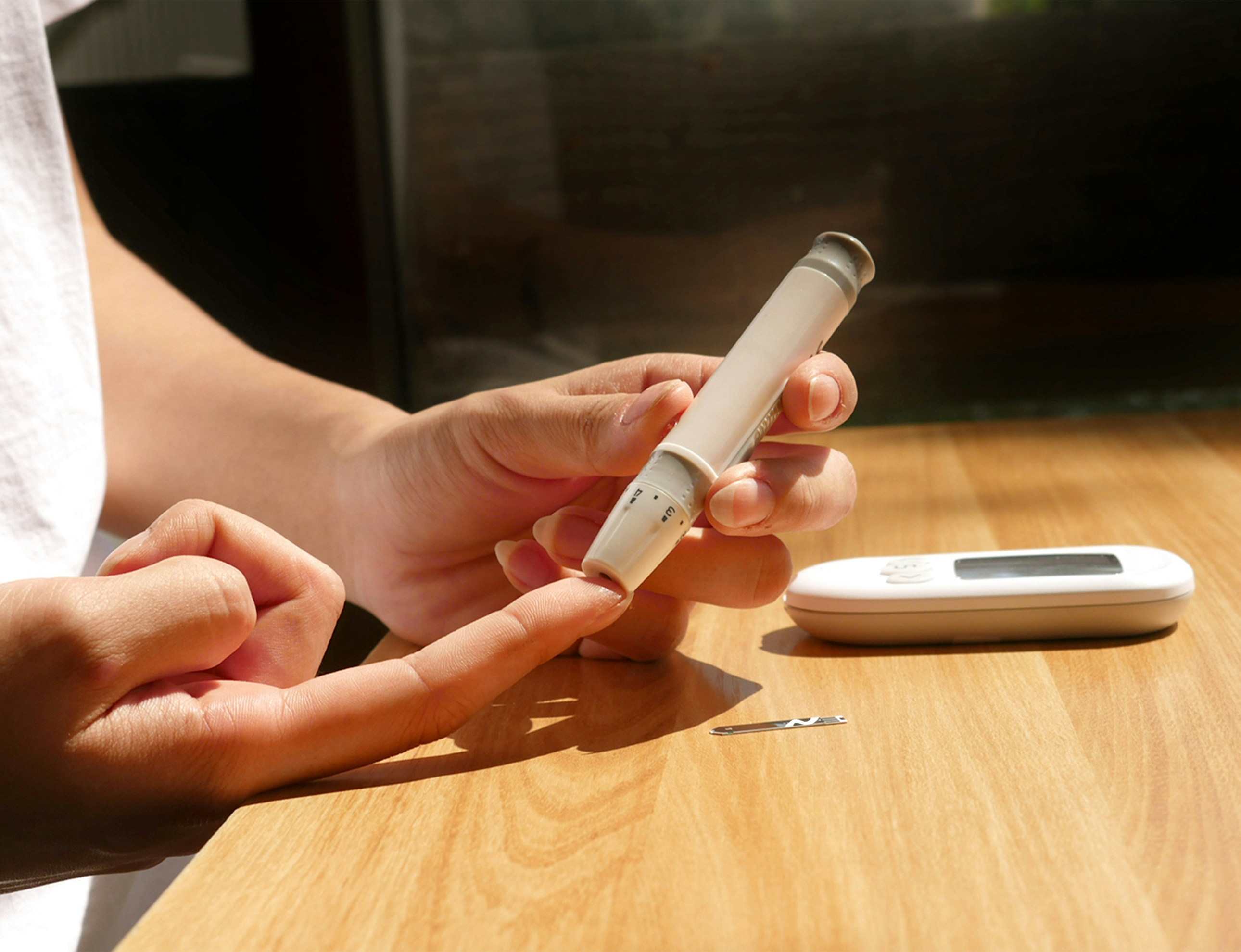
A standard glucometer measures fasting glucose (8-hour fast). Target: <100 mg/dL (5.6 mmol/L). 100–125 is prediabetes. ≥126 mg/dL on two separate occasions is diagnostic for T2D. Monitor 3x/week at minimum when implementing dietary interventions.
Low-carb diet, intermittent fasting, Berberine, chromium, ACV, gut healing, targeted exercise
Food is the most powerful medicine for Type 2 diabetes. Carbohydrate quality and quantity, meal timing, fiber content, and food combinations all profoundly affect postprandial glucose and insulin secretion.
Protein (eggs, fish, meat, legumes) blunts postprandial glucose spikes by slowing gastric emptying and stimulating glucagon-like peptide-1 (GLP-1) — the same pathway as Ozempic. Aim for 25–35g protein per meal as the structural anchor.
Leafy greens, broccoli, cauliflower, zucchini, peppers, asparagus — high fiber, low carbohydrate. Fiber feeds beneficial gut bacteria that produce butyrate and propionate, short-chain fatty acids that improve insulin sensitivity at the cellular level.
Olive oil, avocado, nuts, seeds, fatty fish. Dietary fat has minimal direct effect on blood glucose and insulin. Including fat with carbohydrates slows glucose absorption. Medium-chain triglycerides (MCTs) from coconut oil enhance cellular glucose uptake.
Lentils, chickpeas, black beans, barley, steel-cut oats — the fiber, protein, and resistant starch in legumes create a very low glycemic response. Beans lower postprandial glucose by 20–30% when eaten as the carbohydrate source instead of refined grains.
White bread, pasta, rice, crackers, and cereals cause rapid glucose spikes within 30 minutes. The glycemic index of white bread (100) is higher than pure table sugar (65). Replace with low-glycemic alternatives or eliminate during active glucose management phases.
Soda, fruit juice, sports drinks, and sweetened coffee bypass all satiety signals and deliver pure sugar directly to the portal circulation, creating extreme insulin spikes. Even "natural" fruit juice without fiber is essentially liquid sugar — remove completely in T2D management.
Ultra-processed foods (packaged snacks, fast food, ready meals) combine refined carbohydrates with inflammatory seed oils — creating the perfect metabolic storm. They disrupt gut microbiome composition, worsen leaky gut, and promote insulin resistance through multiple simultaneous mechanisms.
Alcohol paradoxically lowers glucose acutely (risky hypoglycemia) while increasing it over time through liver fat accumulation and NAFLD — which dramatically worsens insulin resistance. Beer and sweet wines are the worst; if consumed, dry red wine in moderation has the least metabolic impact.
These supplements work through distinct mechanisms — addressing glucose disposal, insulin signaling, inflammation, mitochondrial function, and gut health simultaneously.
| Supplement | Mechanism & Evidence | Suggested Dose | Timing | Notes |
|---|---|---|---|---|
| Berberine | Activates AMPK ("metabolic master switch") — the same pathway as Metformin. Reduces hepatic glucose production, increases peripheral glucose disposal, improves insulin sensitivity, and reduces intestinal glucose absorption. A landmark 2008 RCT showed equivalent HbA1c reduction to Metformin (−2.0% vs −1.8%) over 3 months. Also reduces LDL and triglycerides. | 500mg 3x/day with meals | With each meal to reduce postprandial spikes | Monitor glucose closely if combined with hypoglycemic medications — dose adjustments likely needed. GI tolerance improves after the first 2 weeks. |
| Chromium Picolinate | An essential trace mineral that is a cofactor for insulin receptor signaling — specifically for the insulin receptor substrate-1 (IRS-1) activation cascade. Chromium deficiency impairs glucose tolerance and is common in Western diets. Meta-analyses show −0.54% HbA1c reduction and −28 mg/dL fasting glucose with supplementation. | 400–1,000mcg/day | With the largest carbohydrate-containing meal | Picolinate form has best absorption. Not recommended in excess (>1,000mcg/day) as high chromium has genotoxic potential. Standard doses are safe. |
| Magnesium Glycinate | Magnesium is a cofactor for over 300 enzymatic reactions involved in glucose metabolism. T2D patients are uniformly magnesium-depleted — partly because hyperglycemia increases urinary magnesium excretion. Repletion improves insulin receptor sensitivity, reduces HbA1c by 0.5–1%, and reduces diabetes risk in prediabetes by 23%. | 400–600mg elemental magnesium/day | With dinner or before bed | Glycinate form is best absorbed and causes no laxative effect. RBC magnesium level (not serum) is the accurate test for total body status. |
| Alpha-Lipoic Acid (ALA) | A universal antioxidant (both fat and water-soluble) that improves insulin-stimulated glucose transport, reduces oxidative damage to pancreatic beta cells, and treats diabetic peripheral neuropathy — reducing neuropathic pain in 7 of 9 randomized controlled trials. Approved for diabetic neuropathy treatment in Germany since 1966. | 600–1,200mg/day (R-ALA preferred) | 30 minutes before meals, fasted for best absorption | R-ALA is 4x more bioavailable than S-ALA (racemic). Stabilized R-ALA (Na-RALA) prevents degradation. Thiamine (B1) supplementation enhances ALA efficacy for neuropathy. |
| Ceylon Cinnamon | Cinnamaldehyde and type-A polyphenols in Ceylon cinnamon mimic insulin at the insulin receptor — directly stimulating cellular glucose uptake independent of insulin. Also slows gastric emptying (reducing glucose absorption rate) and inhibits alpha-glucosidase (same mechanism as Acarbose drug). Reduces fasting glucose by 18–29 mg/dL in trials. | 1–3g/day (as capsules or ground in food) | With meals | MUST be Ceylon cinnamon only — Cassia cinnamon contains high levels of coumarin, a hepatotoxin at these doses. Verify species on label. |
| Apple Cider Vinegar | Acetic acid reduces the rate of gastric emptying, inhibits salivary and pancreatic amylase (the starch-digesting enzyme), and suppresses postprandial glucose spikes by up to 35%. Studies show 4 mg/dL fasting glucose reduction with habitual use. Mechanism similar to the antidiabetic drug Acarbose but far gentler on the GI tract. | 1–2 tbsp diluted in 8oz water | Before the two largest meals of the day | Raw, unfiltered with "mother." Must be diluted to protect tooth enamel and esophagus. Contraindicated with potassium-depleting diuretics and NSAIDs at high doses. |
| Gymnema Sylvestre | Gymnemic acids block sweet taste receptors on the tongue and intestinal glucose transporters (SGLT1) simultaneously — reducing sugar absorption and appetite for sweets. Also stimulates pancreatic beta cell regeneration in animal models and may improve residual insulin secretion in early T2D. Reduces HbA1c by 0.6–1% in controlled trials. | 400–800mg/day (standardized to 25% gymnemic acids) | Before meals containing carbohydrates | Well-tolerated. May reduce effectiveness of hypoglycemic medications — monitor glucose. Also sold as "GS4" standardized extract. |
| Inositol (Myo-inositol) | A cellular secondary messenger that directly facilitates insulin signal transduction — functioning as an "insulin sensitizer" at the cellular level. Deficiency impairs post-receptor insulin signaling, causing insulin resistance independent of receptor downregulation. Strong evidence specifically for PCOS-related insulin resistance and gestational diabetes. | 2–4g/day myo-inositol (or 40:1 ratio myo:D-chiro) | With meals, split doses | Most evidence for PCOS-associated insulin resistance. Combine with D-chiro-inositol at 40:1 ratio for synergistic effect on ovarian insulin sensitivity. |
| Vitamin D3 | Vitamin D receptors on pancreatic beta cells regulate insulin secretion. Deficiency (present in 80%+ of T2D patients) impairs both insulin secretion and peripheral insulin sensitivity. Each 10 ng/mL increase in serum 25(OH)D is associated with 0.18% reduction in HbA1c. Repletion to 60–80 ng/mL optimizes glucose metabolism and reduces inflammation. | 5,000–10,000 IU/day (with K2) | With the largest fat-containing meal | Test 25(OH)D before supplementing. Take with K2 (MK-7, 100–200mcg) to direct calcium to bones and away from arteries. Retest every 3 months until target level achieved. |
Type 2 diabetes is not a life sentence. With the right dietary strategy, targeted supplementation, and lifestyle support, significant improvement — and even remission — is achievable. Book a consultation to design your personalized blood sugar management plan.