Sciatica

Sciatica is not a diagnosis — it is a symptom of an underlying nerve compression. Understanding why your sciatic nerve is irritated is the first step toward lasting, root-cause relief. Discover the holistic path: targeted movement, anti-inflammatory nutrition, and nerve-supporting supplements.

5 Types of Sciatica 8 Therapeutic Exercises Holistic vs Conventional Nerve-Repair Supplements

What Is Sciatica?

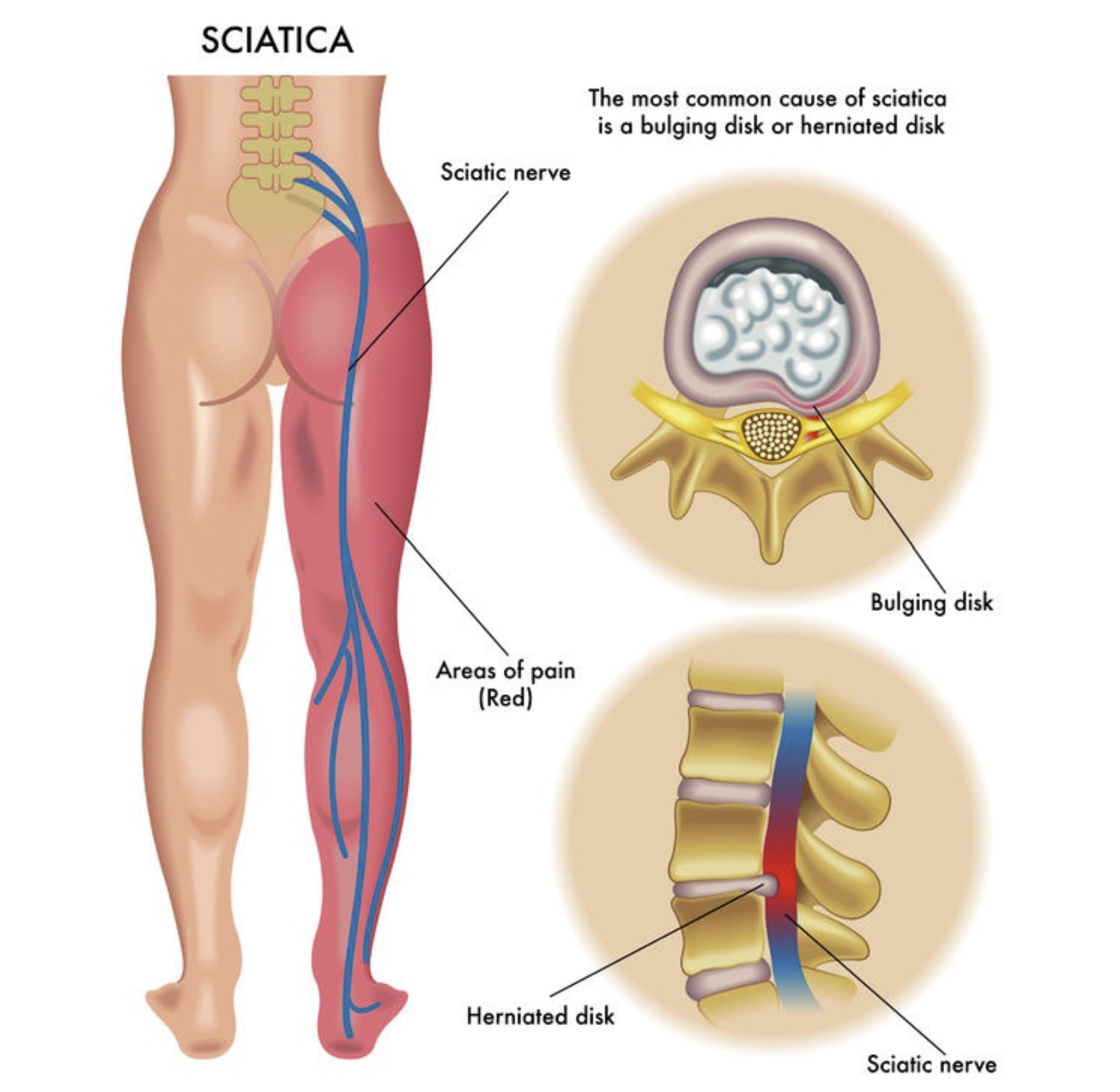
The sciatic nerve is the longest and widest nerve in the human body — running from the lumbar spine (L4–S3), through the buttock, down the back of each leg, and all the way to the foot. When this nerve or its roots are compressed, irritated, or inflamed, the result is sciatica: a distinctive shooting, burning, or electric pain that travels the length of that pathway.

Sciatica affects an estimated 10–40% of people at some point in their lives. It is most common between ages 30 and 50, and it is frequently mismanaged — treated with pain medication that numbs the signal rather than addressing the compression causing it.

The holistic approach asks: what structure is compressing the nerve, and why? Muscle imbalances, postural dysfunction, disc degeneration from chronic inflammation, and even gut-driven systemic inflammation can all contribute to sciatic nerve irritation.

Sciatica — lumbar nerve compression and spine health
40%
of people experience sciatica in their lifetime
90%
of sciatica cases resolve without surgery
#1
cause of work-related disability in adults under 45

5 Types of Sciatica

Sciatica is not one condition — it is a symptom produced by several distinct structural problems. Identifying your type determines which exercises help you and which can make things worse.

1. Disc Herniation Sciatica

Most common type (60–80% of cases). A herniated (slipped) or bulging disc in the lumbar spine — most often at L4-L5 or L5-S1 — presses directly on a sciatic nerve root. The nucleus pulposus (disc's inner gel) pushes through the outer ring and contacts the nerve.

Key features: Pain typically worsens when sitting, bending forward, coughing, or sneezing. Often one-sided (unilateral). Worse in the morning. May include numbness or weakness in the foot.

Best exercises: McKenzie press-ups (extension-based), avoiding forward flexion. Walking and swimming are generally well-tolerated.

2. Piriformis Syndrome

Often misdiagnosed as disc herniation. The piriformis muscle (deep in the buttock) becomes tight, inflamed, or spasmed — compressing the sciatic nerve as it passes through or beneath the muscle. In ~15% of people, the nerve passes directly through the muscle.

Key features: Deep buttock pain. Pain worsens with prolonged sitting, climbing stairs, or hip rotation. Often no lower back pain. MRI may appear normal, leading to frustration.

Best exercises: Piriformis stretch (figure-4), hip external rotator stretches, avoiding repetitive hip flexion. Responds very well to targeted stretching.

3. Spinal Stenosis Sciatica

More common in adults over 50. Narrowing of the spinal canal (often from bone spurs, thickened ligaments, or disc degeneration) compresses the spinal cord or nerve roots. Unlike disc herniation, this is a degenerative process that builds over years.

Key features: Pain often bilateral (both legs). Worse when walking or standing (neurogenic claudication) — relieved by sitting or leaning forward (flexion opens the canal). "Shopping cart sign" — people lean on carts to get relief.

Best exercises: Flexion-based exercises (knee-to-chest, cat-cow), stationary bike, avoiding lumbar extension. Water walking is ideal.

4. Spondylolisthesis Sciatica

Vertebral instability driving nerve compression. One vertebra slips forward over the one below it (most commonly L4 over L5). This forward shift narrows the foramen (opening) through which nerve roots exit, compressing the sciatic root.

Key features: Lower back pain with a "step deformity" feel. Pain worsens with hyperextension. May have a visible posture shift. Often associated with tight hamstrings (protective muscle guarding).

Best exercises: Core stabilization (bird-dog, dead bug), neutral spine work. Avoid heavy extension or axial loading. Pilates-based rehabilitation is highly effective.

5. Pregnancy-Related Sciatica

Affects up to 50% of pregnant women. As the uterus expands, it shifts the center of gravity forward, creating increased lumbar lordosis (inward curve) and placing new pressure on the lumbar spine and sciatic nerve. The hormone relaxin also loosens ligaments, reducing spinal stability. Additionally, the baby's position can directly compress the nerve through the pelvis.

Key features: Typically begins in the 2nd or 3rd trimester. May shift sides as the baby moves. Often involves pubic symphysis pain and hip instability alongside the sciatic symptoms.

Best exercises: Side-lying piriformis stretch, cat-cow on all fours, supported pelvic tilts, pregnancy yoga. Swimming provides ideal decompression. Avoid lying flat on the back after the 1st trimester.

Symptoms of Sciatica

Sciatic pain is distinctive — but it presents differently depending on which nerve root is compressed and where along the nerve the irritation is greatest.

Primary Nerve Pain Symptoms

Shooting or Electric Pain Down the Leg

The hallmark symptom. A sharp, stabbing, or electric-shock sensation that radiates from the lower back or buttock, down the back of the thigh, through the calf, and sometimes to the foot or toes. Often described as a "hot wire" running down the leg. Typically one-sided, following a specific dermatome (nerve territory).

Burning or Tingling Sensation

A burning, pins-and-needles, or "asleep" feeling in the leg, calf, or foot. This indicates nerve irritation (rather than complete compression). Often constant in severe cases. Tingling in the big toe (L5) or the outer foot and small toes (S1) helps identify which nerve root is affected.

Numbness or Loss of Sensation

Areas of the leg or foot may feel partially or completely numb — as if novocaine has been injected. This indicates more significant nerve compression. Numbness in the inner thigh, groin, or both legs simultaneously (saddle anesthesia) is a medical emergency requiring immediate attention (cauda equina syndrome).

Muscle Weakness

Difficulty lifting the front of the foot (foot drop), pushing off when walking, or climbing stairs. Weakness indicates that the nerve is not just irritated but is unable to fully conduct motor signals. This is a more serious finding and should be evaluated promptly — prolonged nerve compression can cause lasting weakness.

Aggravating Patterns & Associated Symptoms

Pain Worsened by Sitting

Sitting increases pressure on the lumbar discs by 40% compared to standing. Most sciatica patients find desk work, driving, and prolonged sitting intolerable. The sciatic nerve is also directly stretched when the hip is flexed at 90°, as in sitting — making this position especially provocative for piriformis syndrome and disc-related sciatica.

Lower Back & Buttock Pain

Deep, aching lower back pain — typically one-sided — often co-exists with leg symptoms. Buttock pain (especially deep, not surface-level) that is worse with hip movement indicates piriformis involvement. Bilateral (both sides) lower back pain with leg symptoms suggests central stenosis or more advanced disc disease.

Bowel & Bladder Changes (Red Flag)

Any loss of bowel or bladder control alongside sciatic symptoms is a medical emergency — it may indicate cauda equina syndrome, where multiple nerve roots are severely compressed. This requires emergency surgical evaluation. Do not wait for a scheduled appointment if these symptoms appear suddenly alongside leg weakness and saddle numbness.

Worse at Night & After Inactivity

Many patients report that pain intensifies at night or first thing in the morning — when the body has been still for hours and inflammatory compounds have accumulated around the nerve. Short morning walks and gentle stretching before getting out of bed can dramatically reduce this "morning flare." Avoid lying in the fetal position — it flexes the spine and can increase disc pressure.

Pain With Coughing, Sneezing, or Straining

A sudden increase in pain with coughing, sneezing, or bearing down (Valsalva maneuver) is a strong indicator of disc herniation with nerve root compression. These actions spike intraspinal pressure and briefly worsen nerve compression. This is called a "positive cough sign" and is clinically significant — document and report it.

Holistic vs. Conventional Approach

🌿 HOLISTIC
💊 CONVENTIONAL
Holistic Root-Cause Approach

Core Holistic Strategies

  • Targeted therapeutic exercises — specific to sciatica type (extension vs. flexion based)
  • Neural mobilization (nerve flossing) — gently mobilizes the sciatic nerve to reduce adhesions and improve nerve gliding
  • Anti-inflammatory nutrition — eliminates foods driving systemic inflammation that sensitizes nerves
  • Nerve-repair supplements — B12, Alpha-Lipoic Acid, Omega-3, Curcumin, Magnesium
  • Postural rehabilitation — corrects the muscle imbalances (hip flexor tightness, glute inhibition) that perpetuate compression
  • Chiropractic / Osteopathic manipulation — restores spinal joint mobility and reduces nerve impingement
  • Acupuncture — reduces local nerve inflammation, promotes endorphin release, improves blood flow to the sciatic nerve
  • Heat & Cold therapy — acute phase: ice 20 min 3×/day; chronic phase: heat to improve blood flow and muscle relaxation
  • Sleep positioning — side-lying with pillow between knees to maintain neutral lumbar spine

Root Cause Identification

🌿 The holistic question: Rather than "how do we block this pain signal?", the holistic approach asks "why is this nerve being compressed, and what structural, nutritional, and lifestyle factors are maintaining that compression?"
Common Root Causes Addressed
  • Weak gluteal muscles allowing piriformis overload
  • Tight hip flexors from prolonged sitting tilting the pelvis forward
  • Tight hamstrings pulling the pelvis and increasing disc pressure
  • Systemic inflammation from poor diet sensitizing nerves
  • Nutritional deficiencies (B12, D3, Magnesium) impairing nerve health
  • Poor sleep posture mechanically stressing the lumbar spine overnight

8 Therapeutic Exercises for Sciatica

These exercises are the cornerstone of holistic sciatica treatment. Perform them daily — gently, without forcing through sharp pain. Stop immediately if any exercise causes pain to shoot further down the leg (called "peripheralization"). Always identify your sciatica type first, as some exercises help one type and aggravate another.

⚠️ Important: Do not exercise through acute, severe pain. If you have progressive leg weakness, loss of bladder/bowel control, or pain from a recent trauma, see a healthcare provider before beginning these exercises.
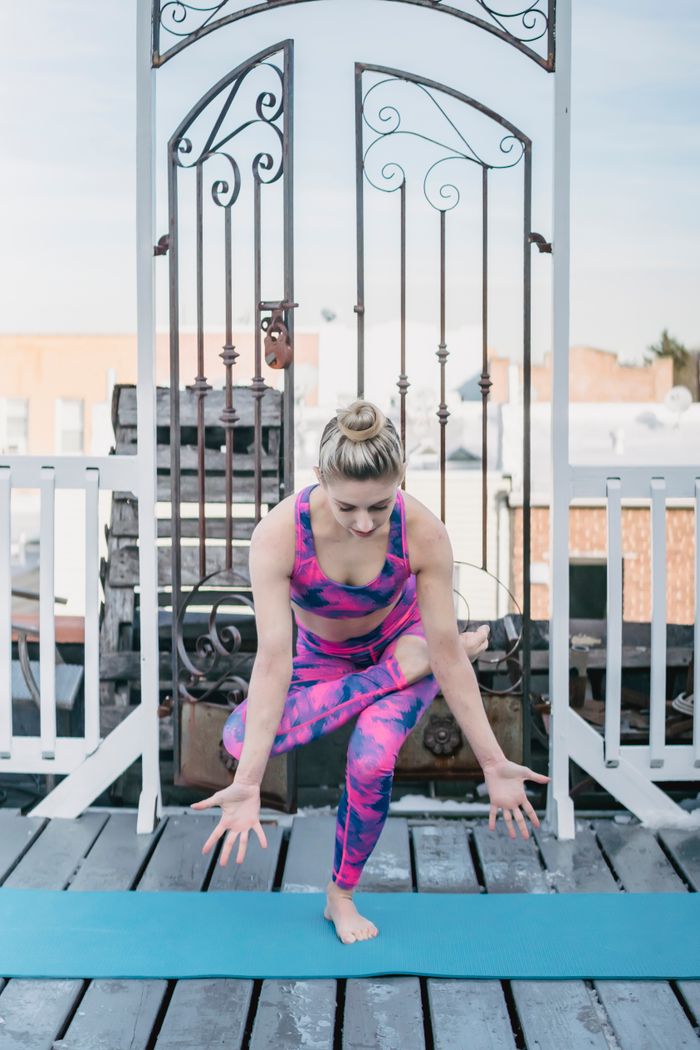
Woman practicing figure-four posture — piriformis stretch with ankle crossed over opposite knee
1

Piriformis Stretch (Figure-4)

Piriformis Syndrome All Types

The single most effective exercise for piriformis syndrome sciatica. Directly stretches the piriformis muscle, releasing compression on the sciatic nerve where it exits below (or through) the muscle.

How to Perform:
  1. Lie on your back with both knees bent, feet flat on the floor
  2. Cross your right ankle over your left knee, forming a figure-4 shape
  3. Flex your right foot (pull toes back) to protect the knee joint
  4. Gently press your right knee away from your body
  5. Either stay here, or thread your hands behind your left thigh and gently draw it toward your chest until you feel a deep stretch in the right buttock
  6. Hold 30–60 seconds. Release slowly. Repeat on the other side.
📋 Prescription: 3 sets × 60 seconds per side, 2–3 times daily. The most important time: immediately after sitting for more than 30 minutes.
Woman lying on the floor on her back — knee-to-chest lumbar decompression stretch
2

Knee-to-Chest Stretch

Spinal Stenosis Disc Herniation

A gentle lumbar flexion exercise that decompresses the posterior spinal joints and gently stretches the lumbar muscles. Creates space in the posterior spinal canal — ideal for stenosis patients who feel relief when leaning forward.

How to Perform:
  1. Lie on your back, knees bent, feet flat
  2. Bring your right knee toward your chest, holding behind the thigh or over the shin (not the knee cap)
  3. Keep your left foot flat on the floor (or extend the left leg if comfortable)
  4. Gently pull the knee closer to the chest until you feel a stretch in the lower back and buttock — not pain
  5. Hold 20–30 seconds. Slowly lower. Alternate legs.
  6. Progress to double knee-to-chest (both legs simultaneously) once comfortable
📋 Prescription: 10 repetitions × 30-second holds per leg, morning and evening. Excellent as the first movement before getting out of bed.
Woman in table-top position with hands on knees — cat-cow yoga starting position
3

Cat-Cow Stretch

All Types Morning Stiffness

A rhythmic spinal mobility exercise that alternately flexes and extends the lumbar spine, pumping disc nutrition in and out (discs receive nutrients through movement, not blood vessels), and mobilizing the facet joints. One of the most universally beneficial exercises for any type of lower back and sciatic involvement.

How to Perform:
  1. Start on hands and knees (quadruped position), wrists under shoulders, knees under hips
  2. Cat: Exhale — round your spine toward the ceiling, tuck your tailbone under, drop your head gently. Hold 2–3 seconds.
  3. Cow: Inhale — let your belly drop toward the floor, lift your tailbone and chest, look slightly forward. Hold 2–3 seconds.
  4. Flow between the two movements slowly and smoothly, led by the breath
  5. Keep movements pain-free — do not force end-range if sharp pain occurs
📋 Prescription: 10–15 slow cycles, 2–3 times daily. Ideal as a morning warm-up and post-sitting reset. Coordinate with breath for maximum nervous system benefit.
Woman doing table balancing yoga pose — opposite arm and leg extended, bird-dog exercise
4

Bird-Dog

Spondylolisthesis All Types

A foundational core stability exercise that trains the deep stabilizing muscles of the spine (multifidus, transverse abdominis) without loading the lumbar discs. Restores spinal stability and reduces the dynamic compression on nerve roots during movement. Stuart McGill's research identifies this as one of the "Big 3" essential spine exercises.

How to Perform:
  1. Start on hands and knees, spine neutral (not arched or rounded)
  2. Brace your core gently — as if expecting a light punch to the stomach
  3. Simultaneously extend your right arm forward (thumb up) and left leg back, keeping both parallel to the floor
  4. Hold for 8–10 seconds, breathing normally — do not hold your breath
  5. Slowly return to the start position. Switch sides (left arm, right leg).
  6. Progression: draw a square with the extended arm for additional challenge
📋 Prescription: 3 sets × 8 repetitions per side, holding 8–10 seconds each. Daily. Quality over quantity — perfect form with a neutral spine matters more than reps.
Woman doing the cobra pose — lying face down pushing upper body up with arms extended
5

Cobra Pose / McKenzie Press-Up

Disc Herniation Posterior Disc Bulge

The McKenzie method's core extension exercise. A posterior disc bulge presses backward onto the nerve — lumbar extension (this exercise) can "centralize" the disc material anteriorly, reducing nerve pressure. If this exercise causes pain to travel further down the leg, stop immediately — it may indicate a different sciatica type.

How to Perform:
  1. Lie face-down (prone) on a firm surface or mat
  2. Place hands under your shoulders, elbows bent
  3. Begin with a gentle press-up: push through your hands to lift your upper body, while keeping your pelvis on the floor and letting your lower back sag
  4. Go only as far as comfortable — initially just a few inches for some people
  5. Hold 1–2 seconds at the top. Slowly lower back down. Repeat.
  6. Progression: work toward fully extended arms over 1–2 weeks
🚫 Do not use if you have spinal stenosis or if this exercise causes pain to travel further down the leg. This exercise is specifically for posterior disc herniation.
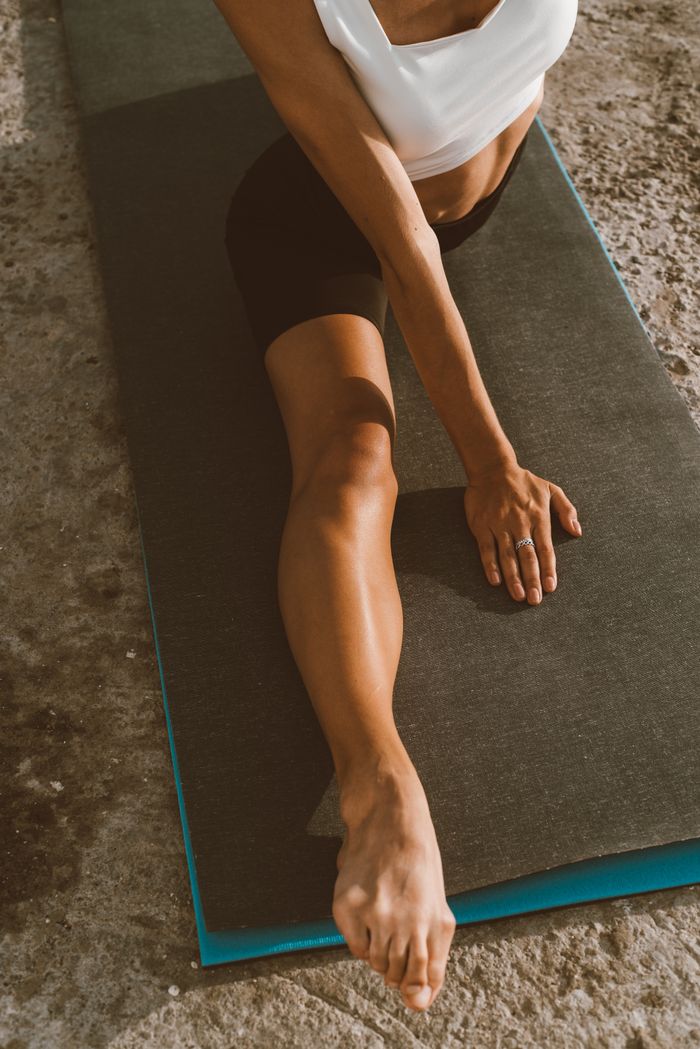
Person stretching leg on yoga mat — seated leg extension for sciatic nerve floss
6

Sciatic Nerve Floss (Neural Mobilization)

All Types Nerve Adhesions

Neural mobilization gently moves the sciatic nerve back and forth through its surrounding tissue — breaking up adhesions (nerve-tissue sticking) and restoring the nerve's ability to glide freely. Think of it like flossing between teeth, but for the nerve's pathway. This is one of the most effective techniques for reducing residual nerve pain and tingling.

How to Perform (Seated Version):
  1. Sit upright in a chair, both feet flat on the floor
  2. Simultaneously: extend your knee (straighten the leg on the affected side) while gently extending your neck (look upward slightly)
  3. Then simultaneously: flex your knee back (lower the foot) and flex your neck (tuck chin to chest)
  4. Move slowly and rhythmically — this is a gentle glide, not a stretch. The nerve should not be placed on tension.
  5. 10–15 slow repetitions, pausing at each end only 1–2 seconds
📋 Prescription: 2–3 sets × 10 glides, 2 times daily. Should produce mild, manageable discomfort — never sharp pain. Ideal during breaks from sitting at a desk.
Woman kneeling on the floor in yoga pose — kneeling hip flexor stretch position
7

Hip Flexor Stretch (Kneeling Lunge)

All Types Anterior Pelvic Tilt

Chronically tight hip flexors (psoas, iliacus, rectus femoris) — from sitting all day — pull the pelvis into anterior tilt, increasing lumbar lordosis and compressing the posterior disc space. Releasing the hip flexors is one of the most underused and most important interventions for reducing sciatic nerve pressure.

How to Perform:
  1. Kneel on your right knee (place a folded towel under the knee for comfort), left foot forward at 90°
  2. Keep your torso upright — resist the urge to lean forward
  3. Gently shift your hips forward and down until you feel a stretch at the front of your right hip
  4. Optional deepening: raise your right arm overhead and gently side-bend to the left
  5. Hold 45–60 seconds. Breathe deeply into the stretch. Switch sides.
📋 Prescription: 3 sets × 60 seconds per side, twice daily. Perform after every period of prolonged sitting. This stretch alone can produce dramatic reductions in low back and sciatic symptoms within 2–3 weeks.
Person walking on a pathway outdoors — daily walking exercise for sciatica recovery
8

Daily Walking

All Types Prevention

Walking is one of the most evidence-supported interventions for sciatic pain and lower back recovery. It activates the multifidus, gluteal, and core muscles simultaneously, improves disc nutrition through rhythmic compression/decompression, reduces inflammatory cytokines, and stimulates endorphin release. It also activates the parasympathetic nervous system — reducing the central sensitization that amplifies nerve pain.

How to Implement:
  1. Start small: 5–10 minutes if pain is severe. Build by 5 minutes every 3–5 days.
  2. Target: 30 minutes of continuous walking daily as tolerance builds
  3. Post-meal walks: 10–15 minutes after each meal — reduces inflammation, improves blood sugar, and activates digestion
  4. Form matters: Walk tall — chin level, shoulders back, core lightly braced. Avoid the hunched posture that increases disc pressure.
  5. Footwear: Supportive, cushioned shoes. Avoid high heels or completely flat shoes (flip flops) — both alter lumbar curvature unfavorably.
  6. If stenosis: Try walking with a slight forward lean (using walking poles or a shopping cart) to reduce extension-related symptoms
📋 Prescription: Every single day without exception. A 2019 Spine journal study found daily walking produced outcomes equivalent to formal physical therapy for non-specific low back pain and sciatica within 6 weeks.

Anti-Inflammatory Nutrition for Sciatica

Chronic systemic inflammation amplifies nerve pain signals — a process called central sensitization. An anti-inflammatory diet reduces the background inflammatory load that makes the sciatic nerve more reactive, lowers intervertebral disc degeneration, and supports myelin sheath integrity.

✅ Eat: Anti-Inflammatory Foods

  • Fatty fish (wild salmon, sardines, mackerel) — 3–4x/week. EPA/DHA directly reduce neuroinflammation
  • Turmeric + black pepper — daily. Curcumin is as effective as ibuprofen for nerve inflammation in studies
  • Ginger — daily in tea or food. Inhibits COX-2 and prostaglandin synthesis
  • Dark leafy greens (spinach, kale, Swiss chard) — rich in Vitamin K, magnesium, and antioxidants
  • Berries (blueberries, cherries, raspberries) — anthocyanins are potent nerve protectors
  • Extra-virgin olive oil — oleocanthal has ibuprofen-like anti-inflammatory action
  • Avocado — monounsaturated fat, potassium, and Vitamin E for nerve sheath health
  • Bone broth — collagen, glycine, proline for disc and connective tissue repair
  • Brazil nuts (2–3/day) — selenium for antioxidant nerve protection
  • Magnesium-rich foods: pumpkin seeds, dark chocolate, almonds — muscle relaxation and nerve transmission

❌ Avoid: Pro-Inflammatory Triggers

  • Refined sugar and high-fructose corn syrup — spike insulin and inflammatory cytokines (TNF-α, IL-6) that sensitize nerves
  • Refined grains (white bread, pasta, cereals) — rapidly convert to sugar, drive inflammation
  • Industrial seed oils (canola, soybean, sunflower, corn oil) — high in omega-6, drive prostaglandin-mediated inflammation
  • Trans fats (partially hydrogenated oils, most fried foods) — directly damage nerve cell membranes
  • Alcohol — neurotoxic, depletes B vitamins essential for nerve repair, increases systemic inflammation
  • Processed meats (hot dogs, deli meats, sausages) — nitrates and advanced glycation end products (AGEs) promote inflammatory pathways
  • Gluten (in sensitive individuals) — associated with neuroinflammation and peripheral neuropathy
  • Dairy (in sensitive individuals) — casein protein can drive inflammatory responses in susceptible people
  • Artificial sweeteners — disrupt the gut microbiome, which regulates systemic inflammation
💧 Hydration is non-negotiable for disc health. Intervertebral discs are 80% water when healthy. Chronic dehydration causes discs to lose height and bulge — directly worsening nerve compression. Drink 2–3 liters of filtered water daily. Disc hydration happens primarily at night during sleep (discs reabsorb water when spinal load is removed).

Nerve-Repair & Anti-Inflammatory Supplements

These supplements address the three core needs in sciatica recovery: reducing nerve inflammation, repairing myelin and nerve tissue, and relaxing the surrounding musculature that contributes to compression.

SupplementDose & StrengthRole in SciaticaTiming
Curcumin (Turmeric Extract)500–1,500mg with piperine (bioperine)Inhibits NF-κB and COX-2 nerve inflammation pathways; comparable to NSAIDs without gut damageWith meals containing fat, 2–3x daily
Omega-3 Fish Oil (EPA+DHA)2–3g EPA+DHA combined (high-quality cod liver or krill oil)Reduces neuroinflammation, supports myelin sheath integrity, decreases prostaglandin E2 (nerve pain mediator)With largest meal of the day
Vitamin D310,000 IUCritical for nerve repair, muscle function, and anti-inflammatory gene expression. Most chronic pain patients are severely deficient. Monitor blood levels quarterly.With breakfast (fat-soluble)
Vitamin K2 MK-7200–400mcgEssential partner to D3; prevents soft tissue calcification and supports disc matrix proteinsWith breakfast (with D3)
Magnesium Glycinate300–500mgRelaxes muscles that compress the sciatic nerve (piriformis, paraspinals); reduces nerve excitability and pain sensitivity; improves sleep quality essential for healingBefore bed
Vitamin B12 (Methylcobalamin)1,000–5,000mcg sublingualEssential for myelin sheath synthesis and maintenance. Methylcobalamin form directly promotes nerve regeneration (shown in peripheral neuropathy studies). Deficiency causes nerve demyelination and pain.Morning, fasted (sublingual — hold under tongue 60 seconds)
Alpha-Lipoic Acid (ALA)600–1,200mg (R-ALA form preferred)Powerful antioxidant that penetrates nerve tissue; reduces oxidative damage to the sciatic nerve; clinically validated for neuropathic pain relief in multiple RCTsOn empty stomach, morning and evening
NAC (N-Acetyl Cysteine)600–1,200mgPrecursor to glutathione — the body's master nerve-protecting antioxidant; reduces neuroinflammation and oxidative stress that sensitizes pain pathwaysMorning, fasted
Bromelain500–1,000mg (2,400 GDU/g potency)Proteolytic enzyme from pineapple; breaks down inflammatory proteins and scar tissue around the nerve; clinical evidence for nerve pain and soft tissue injuryBetween meals (not with food — works systemically, not digestively)
MSM (Methylsulfonylmethane)1,000–3,000mgSulfur compound that supports collagen and disc matrix repair; reduces inflammatory cytokines; improves joint and nerve tissue flexibilityWith meals, split doses
Collagen Peptides (Type II)10–15gProvides glycine, proline, and hydroxyproline for intervertebral disc repair and connective tissue restoration around the sciatic nerve pathwayMorning fasted or with meals
Vitamin B6 (P5P form)50–100mg (Pyridoxal-5-Phosphate)Active form of B6; reduces nerve-sensitizing homocysteine, supports neurotransmitter synthesis, and is clinically used for neuropathic pain alongside B12With breakfast
⚕️ Medical Disclaimer: These supplements are for educational purposes only. Work with a qualified practitioner before beginning any supplement protocol, especially if you are taking blood thinners, anticonvulsants, or other medications — several of these supplements have interactions.

Lifestyle Principles for Sciatica Recovery

Sleep Position

Sleep on your side with a pillow between your knees — this maintains neutral lumbar alignment and prevents the top hip from falling forward and rotating the pelvis, which stretches the piriformis and sciatic nerve overnight. Avoid sleeping on your stomach (forces lumbar hyperextension). If you must sleep on your back, place a pillow under your knees.

Heat vs. Ice Therapy

Acute phase (first 72 hours after a flare): Ice pack wrapped in cloth — 15–20 minutes, 3–4 times daily. Reduces local inflammation and numbs acute nerve pain.

Chronic phase (beyond 72 hours): Moist heat to the lower back and piriformis — improves blood flow, relaxes muscle spasm, and improves tissue extensibility before stretching exercises.

Sitting Posture & Breaks

Sitting increases lumbar disc pressure by 40% vs standing. Set a timer to stand and move every 25–30 minutes. Use a lumbar support cushion to maintain the natural inward curve of the lower back. Hips should be at or slightly above knee level. Avoid crossing your legs — it rotates the pelvis and compresses the piriformis.

Stress & Breathwork

Chronic stress elevates cortisol, which increases muscle tension (including piriformis and paraspinal muscles), sensitizes pain pathways, and slows nerve healing. Practice 4-7-8 breathing (inhale 4, hold 7, exhale 8) for 4 cycles before bed and after pain flares. Diaphragmatic breathing directly activates the vagus nerve and reduces the central sensitization that amplifies sciatic pain perception.

Post-Meal Walking

A 10–15 minute gentle walk after each meal serves double duty: it reduces post-meal inflammation, improves circulation to the healing disc and nerve, and prevents the prolonged sitting that worsens sciatica. This single habit — if done consistently after breakfast and dinner — can reduce sciatic symptoms by 20–30% within 3–4 weeks through cumulative anti-inflammatory and biomechanical effects.

Lifting & Bending Safely

The vast majority of sciatic flares are triggered by poor mechanics: bending forward with a rounded spine, lifting with the back rather than the legs, and twisting while carrying weight. Practice the "hip hinge" — bend at the hips while keeping the spine neutral, like a deadlift pattern. Lower yourself to the floor with one knee first. Never bend forward and rotate simultaneously while carrying weight.

Sciatica Is Manageable. Most Cases Resolve Fully.

With the right combination of targeted movement, anti-inflammatory nutrition, and nerve-supporting supplements — tailored to your specific sciatica type — lasting relief is achievable. Book a consultation for a personalized protocol.