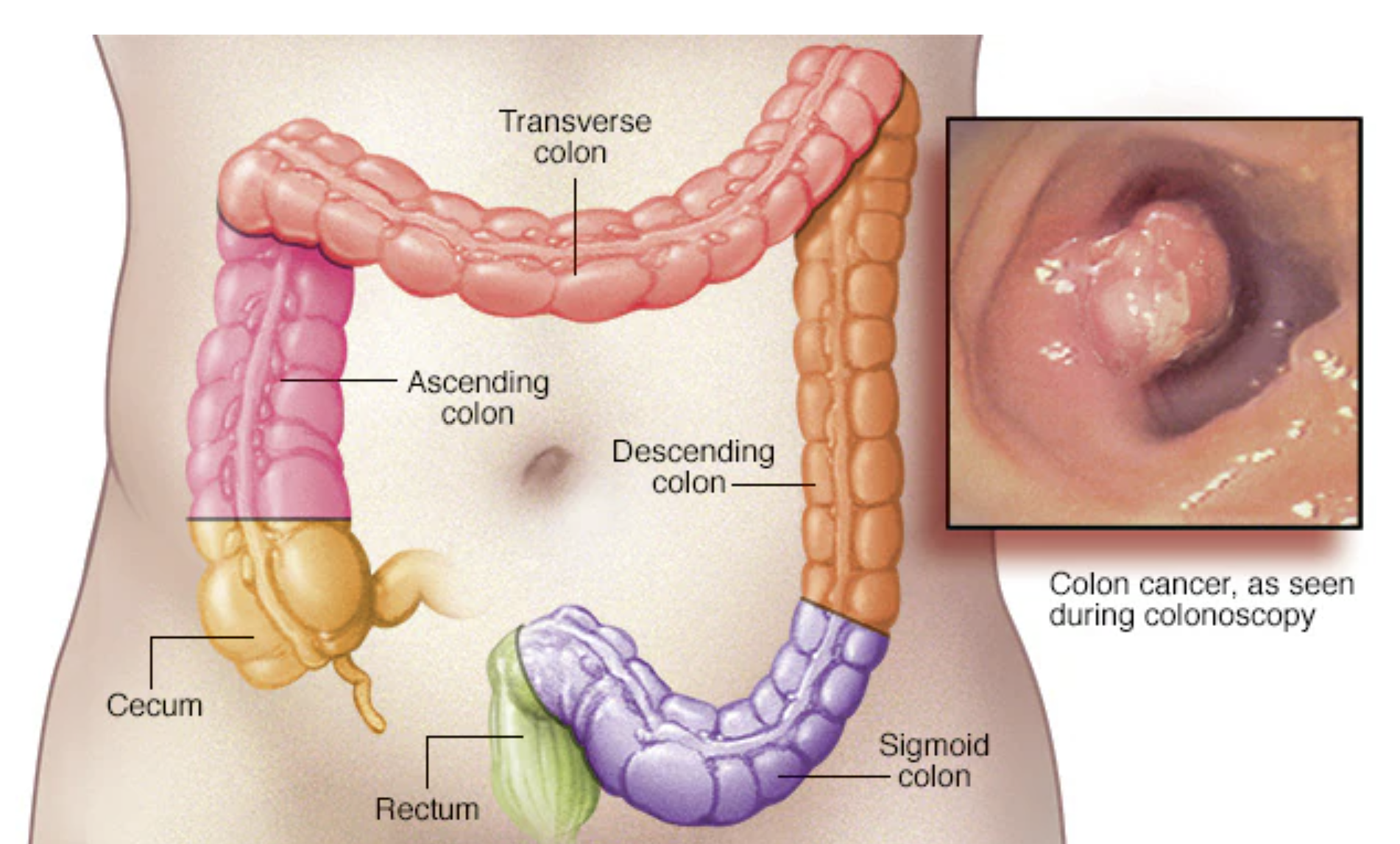
Colon Cancer (Colorectal Cancer)

Colorectal cancer is the third most common cancer globally — yet up to 70% of cases are preventable through diet, lifestyle, and early screening. The gut microbiome is now recognized as a central driver of colorectal cancer risk, opening powerful nutritional strategies for both prevention and treatment support.

3rd Most Common Cancer Up to 70% Preventable Gut Microbiome Driven
⚕️ Important: This guide addresses nutritional prevention strategies and supportive care for colorectal cancer. It is not a substitute for oncological treatment. All cancer diagnoses require immediate evaluation by a qualified medical oncologist. The nutritional information here is intended to complement — not replace — conventional treatment.

What Is Colorectal Cancer?

Colorectal cancer (CRC) is malignancy arising from the epithelial lining of the colon (large intestine) or rectum. It develops slowly — typically over 10–15 years — through a well-characterized progression from normal epithelium to adenomatous polyp to invasive carcinoma, providing a wide window for detection and prevention.

The vast majority (95%) of colorectal cancers are adenocarcinomas — originating from the glandular cells lining the colon wall. The remaining 5% include neuroendocrine tumors, gastrointestinal stromal tumors, lymphomas, and squamous cell carcinomas.

Emerging evidence establishes the gut microbiome as a primary mediator of colorectal cancer risk. Specific bacteria — notably Fusobacterium nucleatum, Peptostreptococcus anaerobius, and enterotoxigenic Bacteroides fragilis — are found enriched in colorectal tumors and promote carcinogenesis through inflammation, barrier disruption, and direct oncogenic signaling.

Colon cancer — colorectal health and nutrition

Colorectal Cancer Stages

Stage I

90%

5-year survival — cancer confined to colon wall

Stage II

72–85%

5-year survival — through colon wall, no nodes

Stage III

40–83%

5-year survival — spread to lymph nodes

Stage IV

14%

5-year survival — distant metastasis (liver, lung)

Early detection is the most powerful intervention — Stage I is 90% curable; Stage IV is largely incurable. Screening saves lives.

1.9M
New colorectal cancer cases globally per year
70%
Of cases are attributable to modifiable risk factors
45
Age at which screening should now begin (ACS 2021)
90%
Survival rate when caught at Stage I

Risk Factors, Warning Signs & Alarm Symptoms

Understanding your personal risk profile guides screening timing and intensity. Warning signs require immediate medical evaluation — do not wait.

🚨 Warning Signs (See a Doctor Now)

🩸

Rectal Bleeding or Blood in Stool

Bright red blood on toilet paper (may indicate low rectal or anal source) or dark, maroon blood mixed in stool (higher colonic source). Never assume rectal bleeding is just hemorrhoids without evaluation — this is the most common presenting symptom of colorectal cancer.

🔄

Persistent Bowel Habit Changes

Persistent diarrhea, constipation, or "pencil-thin" stools lasting more than 4 weeks — a narrowing stool caliber is particularly concerning as it suggests a luminal-narrowing tumor. Any unexplained, persistent change in bowel habits in an adult over 40 requires colonoscopic investigation.

⚖️

Unintentional Weight Loss

Losing >5% body weight over 6–12 months without dietary change or increased exercise — a cardinal symptom of malignancy. Driven by tumor-produced cytokines (cachexia factors) that shift metabolism toward catabolism and suppress appetite.

😫

Persistent Abdominal Pain, Cramping & Bloating

Persistent or worsening lower abdominal cramping, gas, fullness, or pain that doesn't respond to dietary changes or IBS treatment. Pain may indicate partial obstruction from a large tumor. Always evaluate new, unexplained abdominal symptoms in adults over 45.

⚠️ Modifiable & Non-Modifiable Risk Factors

🥩

Dietary Risk Factors (Modifiable)

High consumption of processed red meat (hot dogs, bacon, deli meats) increases CRC risk by 16% per 50g/day. Processed meat carcinogens include: N-nitroso compounds, heterocyclic amines (HCAs) from high-heat cooking, polycyclic aromatic hydrocarbons (PAHs), and heme iron-driven oxidative DNA damage in colonocytes.

🦠

Gut Microbiome Dysbiosis (Modifiable)

Fusobacterium nucleatum is found in 90% of CRC tumors. It promotes carcinogenesis by activating Wnt/β-catenin signaling, recruiting tumor-promoting immune cells, and suppressing anti-tumor T-cell responses. Microbiome restoration through diet and probiotics represents a powerful and accessible chemoprevention strategy.

🧬

Genetic Risk Factors (Non-Modifiable)

Lynch syndrome (HNPCC) — most common hereditary CRC, caused by mismatch repair gene mutations (MLH1, MSH2, MSH6, PMS2) — carries 40–80% lifetime CRC risk. FAP (familial adenomatous polyposis) causes thousands of polyps and near-100% CRC risk without prophylactic colectomy. First-degree relative with CRC doubles personal risk.

🔥

Inflammatory Bowel Disease (IBD)

Longstanding ulcerative colitis and Crohn's colitis significantly increase CRC risk — approximately 2% cumulative risk per year after 10 years of disease. Chronic mucosal inflammation drives DNA damage and aberrant proliferation in colonic epithelium. IBD patients require more frequent surveillance colonoscopy.

Colorectal Cancer Screening: Your Most Important Tool

Colonoscopy can both detect AND prevent colorectal cancer — polyps removed during colonoscopy never become cancer. Regular screening is the single most effective colorectal cancer intervention available.

🔭 Colonoscopy & Structural Tests

🔭 Colonoscopy (Gold Standard)

Direct visualization of the entire colon with immediate polypectomy. Sensitivity 97% for cancer detection. Recommended every 10 years starting at age 45 for average-risk individuals (ACS 2021 guidelines); every 5 years if polyps were found; every 1–2 years for high-risk (IBD, Lynch syndrome, prior cancer). The single most powerful cancer prevention procedure available.

📷 CT Colonography (Virtual Colonoscopy)

3D CT imaging of the colon — no sedation required, but also no polypectomy. Sensitivity 96% for polyps >6mm. Recommended every 5 years. If polyps are found, conventional colonoscopy is then required for removal. Good alternative for patients unwilling or unable to tolerate colonoscopy preparation or sedation.

🔬 Flexible Sigmoidoscopy

Views only the left colon and rectum — where 60% of cancers arise. Recommended every 5 years alone or every 10 years combined with annual FIT test. Less preparation required than colonoscopy. A positive sigmoidoscopy requires follow-up colonoscopy.

🧪 Non-Invasive Stool Tests

🧬 Cologuard (Stool DNA Test)

Tests stool for abnormal DNA from cancer cells AND occult blood. Sensitivity 92% for cancer, 42% for high-grade dysplasia. Recommended every 3 years. Medicare covers for average-risk patients over 45. Higher false-positive rate than colonoscopy — a positive Cologuard requires confirmatory colonoscopy. Does not allow polyp removal.

🩸 FIT Test (Fecal Immunochemical Test)

Detects occult (hidden) blood in stool using antibodies — no dietary restrictions required. Annual FIT testing has 79% sensitivity for CRC and 34% for advanced adenomas. Recommended annually. A positive FIT requires colonoscopy. The most accessible and lowest-barrier screening test — appropriate for populations where colonoscopy access is limited.

🩸 CEA Blood Test (Monitoring)

Carcinoembryonic antigen — a tumor marker used for post-treatment surveillance, not screening (too low sensitivity for early detection). Elevated CEA indicates residual or recurrent disease after treatment. Baseline CEA before surgery is useful for tracking treatment response.

Holistic Support vs. Conventional Treatment for Colorectal Cancer

⚠️ Colorectal cancer requires conventional oncological treatment. The holistic approach here refers to nutritional and lifestyle strategies that support treatment outcomes, reduce side effects, and support prevention and recurrence reduction — not as a replacement for surgery, chemotherapy, or radiation.

🌿 HOLISTIC SUPPORT
💊 CONVENTIONAL
🌿

Nutritional & Lifestyle Support

Diet, gut microbiome, anti-inflammatory nutrition, evidence-based supplements to support treatment outcomes and reduce recurrence

Primary Focus
Reduce inflammation, restore gut microbiome, support immune function, minimize treatment side effects, reduce recurrence risk
Evidence Base
Strong evidence for diet, fiber, Vitamin D, omega-3, and exercise in reducing recurrence and improving survival
Recurrence Reduction
High-fiber, low-red-meat diet reduces Stage III CRC recurrence by 40–50% in prospective studies
Timing
Pre-treatment: optimize nutritional status; During: manage side effects; Post: reduce recurrence risk
Comprehensive Nutritional Support Strategy
  • High-fiber diet (30–35g/day from whole foods) — butyrate produced from fiber fermentation is the primary fuel of colonocytes and has direct anti-tumor, pro-apoptotic effects on CRC cells
  • Cruciferous vegetables (broccoli, cauliflower, Brussels sprouts) daily — sulforaphane and indole-3-carbinol are among the most extensively studied chemopreventive compounds; sulforaphane inhibits CRC cell proliferation and induces apoptosis
  • Curcumin (liposomal or with piperine) — inhibits NF-κB, COX-2, and Wnt/β-catenin pathways; phase II clinical trials show anti-tumor activity in CRC; one of the most studied natural anti-cancer compounds
  • Vitamin D repletion (target 60–80 ng/mL) — Vitamin D deficiency increases CRC risk by 30–40%; repletion reduces recurrence in Stage III patients (SUNSHINE trial)
  • Omega-3 fish oil (3g/day EPA+DHA) — reduces prostaglandin-mediated tumor-promoting inflammation; aspirin-triggered lipoxins from EPA have direct anti-proliferative effects in colorectal cells
  • Probiotic restoration — restoring beneficial bacteria (specifically Lactobacillus and Bifidobacterium species) reduces Fusobacterium nucleatum colonization and normalizes anti-tumor immune responses in the colon
  • Exercise (150+ minutes moderate activity/week) — reduces CRC recurrence by 31% in Stage I–III patients; improves chemotherapy tolerance and quality of life
  • Green tea (EGCG, 3–5 cups/day or 600mg extract) — epigallocatechin gallate inhibits multiple CRC proliferation pathways; reduces adenoma recurrence in Phase III trials
  • Reduce or eliminate processed red meat — entirely during and after treatment
During chemotherapy: Some supplements (high-dose antioxidants, certain herbs) may interfere with chemotherapy. Always disclose all supplements to your oncologist. Nutritional support should be integrated with — and communicated to — your oncology team.

The Anti-Colorectal Cancer Diet

The World Cancer Research Fund has conducted the most comprehensive meta-analysis of diet and colorectal cancer, providing strong evidence for specific dietary patterns that reduce risk by up to 50–70%.

✅ Strong Evidence — Cancer-Protective:

🥦 Cruciferous Vegetables Daily

Broccoli, Brussels sprouts, cauliflower, cabbage, kale. Sulforaphane activates Nrf2 — the master antioxidant transcription factor — and directly induces apoptosis in CRC cells. Indole-3-carbinol (I3C) converts to DIM in the gut, which modulates estrogen metabolism and suppresses tumor growth. Regular cruciferous consumption is associated with 18–28% reduction in CRC risk.

🌾 High-Fiber Diet (30–35g/day)

Each 10g/day increase in dietary fiber reduces CRC risk by 10%. Fiber feeds butyrate-producing bacteria (Faecalibacterium prausnitzii, Roseburia) — butyrate is the primary energy source for colonocytes AND has direct anti-cancer activity (inhibits histone deacetylase, promotes differentiation, suppresses inflammation). Best sources: legumes, resistant starch, whole grains, vegetables.

🧅 Allium Vegetables (Garlic & Onion)

Allicin, quercetin, and organosulfur compounds in garlic and onions inhibit CRC cell proliferation, induce apoptosis in adenoma cells, and reduce the formation of carcinogenic N-nitroso compounds from red meat in the colon. Epidemiological studies consistently show 30–50% reduced CRC risk with high allium vegetable intake.

🫐 Colorful Berries & Polyphenol-Rich Foods

Blueberries, blackberries, pomegranate, dark grapes. Anthocyanins, ellagitannins (from pomegranate — converted to urolithin A by gut bacteria), and pterostilbene directly suppress Wnt/β-catenin signaling — the primary oncogenic pathway in colorectal cancer. Gut microbiome diversity is required to convert these compounds to their most anti-cancer active forms.

❌ Strong Evidence — Avoid or Eliminate:

🥓 Processed Meat (Eliminate)

The WHO classifies processed meat (bacon, hot dogs, deli meats, sausages, salami) as a Group 1 carcinogen — the same category as tobacco. Processed meat increases CRC risk by 18% per 50g/day serving. N-nitroso compounds, heterocyclic amines, and heme iron-catalyzed oxidative damage in the colon are the primary mechanisms. Eliminate completely — not reduce.

🥩 High-Temperature Cooked Red Meat

Cooking red meat at high temperatures (grilling, barbecuing, frying at >300°F) creates heterocyclic amines (HCAs) and polycyclic aromatic hydrocarbons (PAHs) — both potent colorectal carcinogens. If eating red meat, use low-and-slow cooking methods (slow cooker, braising, steaming) to minimize HCA formation. Marinades with rosemary and citrus reduce HCA formation by 30–70%.

🍺 Alcohol

The WCRF classifies alcohol as a Group 1 colorectal carcinogen. Each alcoholic drink per day increases CRC risk by 7%. Alcohol is metabolized to acetaldehyde — which directly damages DNA in colonocytes and disrupts folate metabolism, increasing mutation rate. No safe level of alcohol intake for CRC prevention has been established.

🍬 Ultra-Processed Foods & Added Sugar

Ultra-processed food consumption is associated with 29–31% increased CRC risk in prospective cohort studies. Mechanisms include: gut microbiome disruption, increased intestinal permeability, hyperinsulinemia (insulin and IGF-1 are CRC growth factors), and chronic systemic inflammation. A diet dominated by whole, minimally processed foods is fundamentally protective.

Supplements for Colorectal Cancer Prevention & Treatment Support

The following supplements have clinical or strong preclinical evidence for colorectal cancer chemoprevention, treatment side-effect mitigation, or recurrence risk reduction. All should be discussed with your oncologist before use during active treatment.

SupplementEvidence & MechanismSuggested DoseTimingNotes
Vitamin D3 (with K2)The most compelling single supplement for CRC prevention. Meta-analyses of 20+ studies show 30–40% reduced CRC risk with serum 25(OH)D ≥40 ng/mL. The SUNSHINE randomized trial demonstrated that high-dose vitamin D3 in Stage IV CRC patients increased progression-free survival by 36%. Vitamin D suppresses tumor cell proliferation, promotes colonocyte differentiation, and regulates anti-tumor immune responses in the colonic mucosa.5,000–10,000 IU/day D3 with K2 (MK-7, 200mcg)With the largest fat-containing mealTest 25(OH)D before supplementing. Target serum level: 60–80 ng/mL. K2 essential to prevent hypercalcemia and direct calcium to bones. Retest every 3 months during dose establishment.
Curcumin (Liposomal or Theracurmin)One of the most extensively studied natural anti-cancer compounds. Inhibits NF-κB (master inflammatory transcription factor), COX-2 (prostaglandin production), Wnt/β-catenin signaling, and activates caspase-mediated apoptosis in CRC cells. Phase II clinical trial (Sharma et al.) showed curcumin reached therapeutic concentrations in CRC tissue at 3.6g/day. Reduces adenoma recurrence by 40% in patients with FAP (familial adenomatous polyposis).1,000–2,000mg/day (liposomal or Theracurmin form)With fat-containing meals, divided dosesStandard curcumin has <1% bioavailability. Liposomal, Theracurmin, or BCM-95 forms are 10–30x more bioavailable. Piperine (black pepper extract) also enhances bioavailability 20x but can affect drug metabolism — avoid with chemotherapy.
Omega-3 Fish Oil (EPA+DHA)EPA is converted to prostaglandin E3 and aspirin-triggered lipoxins — which directly counteract the pro-tumor prostaglandin E2 (PGE2) that promotes CRC cell survival and angiogenesis. The VITAL trial showed omega-3 supplementation reduced advanced CRC incidence by 24% over 5 years. Also reduces chemotherapy-induced cachexia and inflammation during treatment.3–4g combined EPA+DHA/dayWith meals — divided dosesChoose molecularly distilled, IFOS-certified. EPA-dominant formulas may have stronger anti-cancer effects than balanced EPA/DHA. Discuss with oncologist if on anticoagulants.
Probiotics (Multi-Strain)Restores the depleted, dysbiotic microbiome universally found in CRC patients. Lactobacillus and Bifidobacterium species reduce F. nucleatum colonization, restore immune tolerance in the colonic mucosa, increase butyrate production, and reduce intestinal permeability. During chemotherapy, specific probiotic strains (L. rhamnosus GG, L. acidophilus NCFM) significantly reduce chemotherapy-induced diarrhea severity — a common dose-limiting side effect.50–200 billion CFU/day (multi-strain)Away from chemotherapy administration timing (ask oncologist)Some chemotherapy protocols require 48h probiotic-free window around infusion day. High-dose probiotics during treatment reduce adverse GI effects without compromising efficacy — but confirm timing with your oncology team.
Sulforaphane (from Broccoli Sprout Extract)Induces Nrf2-mediated Phase II detoxification enzymes — directly inactivating carcinogens before DNA damage occurs. Also selectively induces apoptosis in cancer cells while protecting normal colonocytes. Myrosinase (from broccoli sprouts or mustard seed powder added to cooked broccoli) converts glucoraphanin to active sulforaphane — essential for efficacy. Phase II clinical trials show measurable anti-tumor effects in CRC.100–400mg/day stabilized sulforaphane or 10–20g broccoli sprouts dailyWith mealsBroccoli sprouts contain 50–100x more glucoraphanin than mature broccoli heads. Adding mustard seed powder to cooked broccoli restores the myrosinase enzyme destroyed by cooking — converting glucoraphanin to active sulforaphane.
Green Tea Extract (EGCG)Epigallocatechin gallate (EGCG) is the most studied polyphenol in CRC prevention. Inhibits multiple oncogenic kinases (EGFR, HER2, VEGFR), induces cell cycle arrest, suppresses invasion and metastasis, and activates p53 tumor suppressor in CRC cells. A phase III RCT (Shimizu et al.) in patients with resected CRC found green tea polyphenols reduced metachronous adenoma recurrence by 51% over 12 months.600–900mg EGCG/day (standardized extract)With meals — take on full stomach to reduce nauseaHigh doses of EGCG (>800mg/day) can cause liver enzyme elevation. Start at 300mg and increase gradually. Avoid taking within 2 hours of iron supplements — EGCG chelates iron. Discuss with oncologist before use during active treatment.
Glutamine (L-Glutamine)Glutamine is the primary fuel of rapidly dividing intestinal epithelial cells and immune cells. During chemotherapy and radiation, gut mucosal damage (mucositis, enteritis) is dramatically reduced by glutamine supplementation — multiple meta-analyses confirm reduction in chemo-induced mucositis severity, duration, and hospitalization rate. Also preserves gut barrier integrity and reduces chemotherapy-related diarrhea.10–20g/day during treatmentFasted — morning and before bed; split dosesSpecifically beneficial during FOLFOX/FOLFIRI chemotherapy and pelvic radiation therapy. Oncologists generally support glutamine use for mucosal protection during treatment. Contraindicated in hepatic encephalopathy and glutamine-responsive tumor types (discuss with oncologist).
Folate (Methylfolate, 5-MTHF)Folate deficiency disrupts DNA methylation and nucleotide synthesis — increasing mutation rate in rapidly dividing colonocytes. Adequate folate intake (from food or supplements) reduces CRC risk by 20–25%. Methylfolate (5-MTHF) bypasses the MTHFR enzyme mutation present in ~40% of people, ensuring bioavailability. Important: high-dose folate supplementation (>1mg/day) in patients with existing precancerous polyps or undergoing treatment should be discussed with an oncologist.400–800mcg/day (as 5-MTHF methylfolate)With foodUse methylfolate (not folic acid). Folate from food (dark leafy greens, legumes) is safe and recommended universally. High-dose supplementation during active cancer treatment requires oncology input — paradoxically, 5-FU chemotherapy works by folate antagonism.

Gut Health Is Your Best Cancer Prevention

A healthy, diverse gut microbiome, a high-fiber whole-food diet, and key protective compounds like Vitamin D, curcumin, and omega-3s can meaningfully reduce your colorectal cancer risk. If you have a personal or family history, a proactive nutritional strategy is essential. Book a consultation to get personalized guidance.