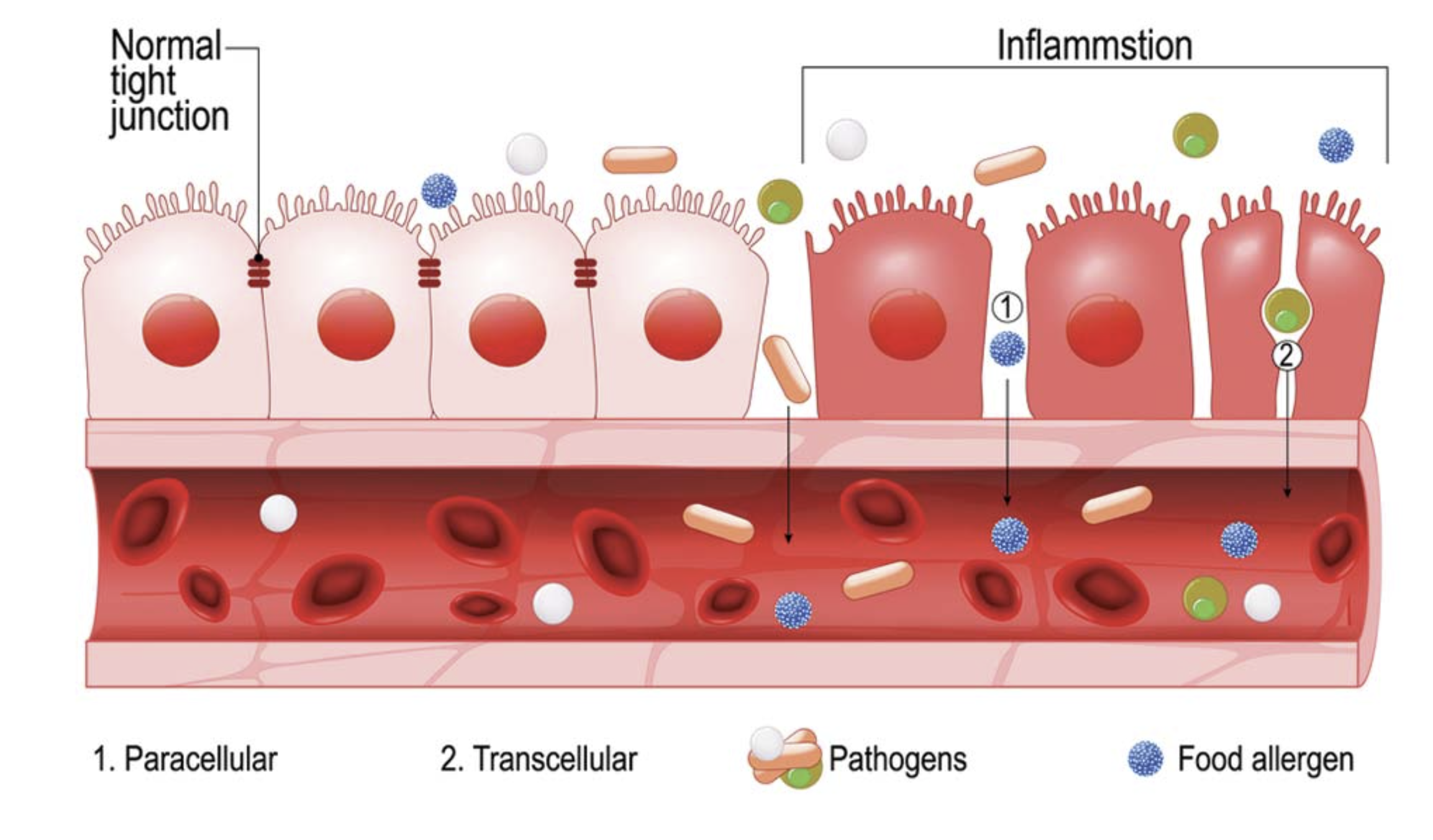
| L-Glutamine | The #1 leaky gut supplement. Primary fuel for enterocytes (gut lining cells) — they cannot repair without adequate glutamine. Directly stimulates synthesis of tight junction proteins (Claudin, Occludin, ZO-1). Most evidence-backed supplement for intestinal permeability. | 5–15g/day | Fasted morning; between meals | Powder in water; pharmaceutical-grade |
| Zinc L-Carnosine | The carnosine chelate adheres physically to the intestinal mucosa, reducing inflammation, inhibiting NF-kB, and directly accelerating mucosal cell turnover and tight junction protein expression. Also protective against H. pylori and NSAID-induced gut damage. | 75–150mg/day (as PepZin GI) | With or between meals | PepZin GI is the patented, most researched form |
| Aloe Vera Juice | Acemannan (active polysaccharide) soothes gut wall inflammation, stimulates mucus production for a protective barrier, and supports tight junction integrity. One of the most gentle and effective daily gut lining soothers available. | 2–4 oz/day | Morning fasted or before meals | Inner leaf fillet only; avoid whole leaf (contains aloin laxative) |
| Saccharomyces Boulardii | Restores microbiome diversity; competes with pathogenic organisms that damage the gut lining; produces short-chain fatty acids that fuel colonocyte repair; directly reduces intestinal permeability as measured by lactulose/mannitol testing. | 5–10 billion CFU/day | Between meals | Safe to take during antimicrobial treatment |
| Digestive Enzymes | Replaces digestive enzymes damaged by gut inflammation. Complete food digestion prevents undigested food particles from irritating and further opening tight junctions. Reduces the antigen load that triggers immune responses in leaky gut. | 1–2 capsules per meal | Start of each meal | Full-spectrum formula: protease, lipase, amylase, lactase |
| Milk Thistle (Silymarin) | Protects the liver, which is under enormous stress in leaky gut — processing constant endotoxin (LPS) influx from the damaged gut wall. Silymarin reduces hepatic inflammation, supports glutathione production, and accelerates liver regeneration. | 300–600mg/day (80% silymarin) | With dinner | Particularly important when SIBO or Candida is concurrent |
| TUDCA | Improves bile flow — critical because bile emulsifies fats, supports fat-soluble vitamin absorption (severely impaired in leaky gut), and acts as an antimicrobial barrier in the small intestine. Also directly anti-inflammatory and liver-protective. | 250–500mg/day | With fat-containing meals | Excellent synergy with Milk Thistle for liver and bile support |
| NAC (N-Acetyl Cysteine) | Replenishes glutathione — the master antioxidant depleted by chronic gut inflammation. Glutathione directly protects enterocytes from oxidative damage. NAC also disrupts biofilms of gut pathogens that perpetuate leaky gut. | 600–1,200mg/day | Away from meals for biofilm action; or with meals for gut repair | Also supports liver detox of LPS circulating from leaky gut |
| Apple Cider Vinegar (ACV) | Restores stomach acid — insufficient HCl is a root driver of leaky gut (bacteria survive to the small intestine when acid is low). ACV's acetic acid also has anti-inflammatory effects on the gut lining and supports digestion of proteins. | 1–2 tbsp in water before meals | 15 minutes before meals | Raw, unfiltered "mother" ACV; dilute well to protect teeth |
| Curcumin (Turmeric Extract) | Downregulates NF-kB — the master switch of gut wall inflammation. Reduces inflammatory cytokines (IL-6, IL-1β, TNF-α) that drive tight junction breakdown. Curcumin has been shown in clinical trials to reduce intestinal permeability markers measurably. | 500–1,500mg/day | With fat-containing meals | Must include piperine (5–20mg) or be liposomal for absorption |
| Omega-3 Cod Liver Fish Oil | EPA and DHA are incorporated into cell membranes of enterocytes, improving their structural integrity. Omega-3s reduce the LPS-triggered inflammatory cascade and support the gut-brain axis. Cod liver oil also provides Vitamins A and D critical for mucosal integrity. | 2–3g combined EPA+DHA/day | With meals | IFOS-certified for purity; enteric-coated reduces fishy aftertaste |
| Vitamin D3 — 10,000 IU | Vitamin D receptors are present on every gut epithelial cell. D3 directly regulates E-cadherin and other tight junction proteins. Vitamin D deficiency is strongly correlated with increased intestinal permeability, autoimmune disease, and IBD. 10,000 IU therapeutic dose for those with deficiency. | 10,000 IU/day | With fat-containing meal | Monitor serum 25-OH-D levels; target 60–80 ng/mL. Always pair with K2. |
| Vitamin K2 (MK-7) | Works synergistically with Vitamin D3 — directs calcium to bones rather than soft tissue. Also has direct anti-inflammatory effects in the gut. MK-7 form has the longest half-life, providing consistent activity from a single daily dose. | 200–400 mcg/day (MK-7) | With fat-containing meal; same time as D3 | MK-7 is the superior form (menaquinone-7) vs. MK-4 for daily dosing |
| Magnesium Glycinate | Supports hundreds of enzymatic reactions involved in gut repair. Magnesium deficiency (extremely common in leaky gut patients) impairs enterocyte regeneration, reduces gut motility, and worsens inflammation. Glycinate form is best absorbed and gentlest on the gut. | 300–500mg/day | Before bed | Best for sleep support and gut relaxation; does not cause loose stools at this dose |
| Magnesium Citrate | Same gut repair benefits as glycinate but with a gentle osmotic laxative effect useful for leaky gut patients with concurrent constipation (methane SIBO, sluggish motility). Improves stool frequency and transit time, reducing toxic load on the gut wall. | 200–400mg/day | Before bed or with dinner | Use citrate form when constipation is a prominent symptom; reduce dose if stools become loose |
| Copper Bisglycinate | Copper is essential for lysyl oxidase — the enzyme that cross-links collagen and elastin in the intestinal wall. Deficiency (common when zinc is supplemented) impairs connective tissue repair of the gut wall. Bisglycinate form is well-tolerated and highly bioavailable. | 2–4 mg/day | With meals; away from high-dose zinc | Essential when supplementing zinc >30mg/day; maintain zinc:copper ratio of ~10:1 |
| Activated Charcoal | Adsorbs bacterial endotoxins (LPS), mycotoxins, and other gut-derived toxins circulating from the leaky gut before they can enter systemic circulation. Provides significant symptom relief during active gut healing and die-off reactions. | 1,000–2,000mg/day | Between meals; 2+ hours away from ALL supplements and medications | Rotate with bentonite clay (alternate days). Do not use long-term — can cause constipation. Use for 2–4 week cycles. |
| Peppermint & Lemon Oil | Enteric-coated peppermint oil reduces gut spasms and inflammation in the small intestine. Lemon oil (food grade) has anti-inflammatory and antimicrobial properties that reduce pathogen burden on the gut lining. Both support healthy gut motility. | 0.2mL peppermint (enteric-coated) 2x/day | Before meals | Enteric-coated capsules only — plain peppermint oil dissolves in the stomach |
| Prokinetic — Ginger Root or 5-HTP | Restores gut motility impaired by intestinal inflammation. Proper motility prevents bacterial stagnation (which worsens leaky gut), supports complete food transit, and reduces fermentation load on the damaged intestinal wall. Critical for preventing SIBO relapse. | Ginger: 500–1,000mg; 5-HTP: 50–100mg | Before bed on empty stomach | Do not use 5-HTP with SSRI/SNRI medications. Ginger also has direct anti-inflammatory effects in the gut. |