Laryngopharyngeal Reflux (LPR)

LPR — often called "silent reflux" — is a form of acid reflux that bypasses the esophagus and reaches the throat, voice box, and airways. Unlike GERD, it rarely causes heartburn, making it one of the most commonly missed diagnoses in medicine. Chronic throat clearing, hoarseness, and a lump-in-throat sensation are its calling cards.

Misdiagnosed in 50%+ of Cases No Heartburn Needed Diet-Responsive

What Is Laryngopharyngeal Reflux?

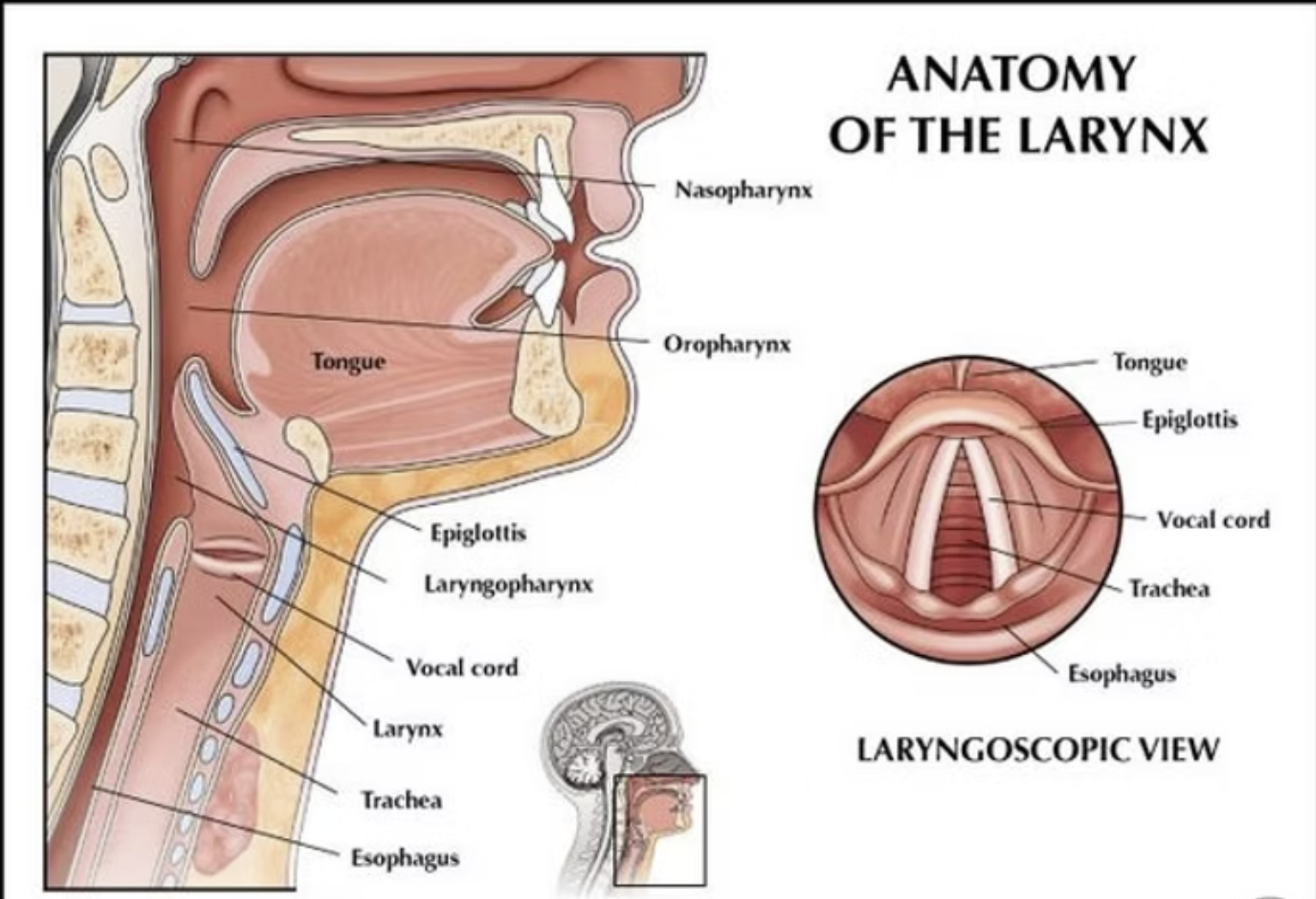
Laryngopharyngeal reflux (LPR) occurs when stomach acid and pepsin — the enzyme that digests protein — travel past the upper esophageal sphincter (UES) and reach the larynx (voice box), pharynx (throat), and airways. Unlike GERD, the damage here is caused as much by pepsin as by acid.

The larynx and throat are extraordinarily sensitive to acid and pepsin — far more so than the esophagus, which has some protective mucus lining. Even one brief exposure per day can cause significant mucosal injury to the vocal cords and laryngeal structures. This is why LPR symptoms are often far more pronounced than GERD symptoms, despite less total acid exposure.

Critically, pepsin — once deposited on laryngeal tissue — remains active for hours, continuing to digest tissue even in the absence of further reflux. Any subsequent acid exposure (even from food, coffee, or drinks) reactivates the pepsin. This perpetual cycle of mucosal damage is the mechanism behind LPR's chronic, treatment-resistant nature.

⚠️ LPR is frequently misdiagnosed as: chronic sinusitis, post-nasal drip, allergies, asthma, recurring laryngitis, vocal cord dysfunction, or anxiety-related globus. Average time from symptom onset to correct LPR diagnosis: 3–5 years.
LPR silent reflux — laryngopharyngeal reflux illustration

🔬 LPR vs. GERD — Key Differences

GERD: Heartburn present; esophageal damage; responds to PPIs; worsens lying flat

LPR: No heartburn in 50% of cases; laryngeal damage; PPIs often insufficient; worsens upright with meals; pepsin-driven

The Pepsin Mechanism — Why LPR Is Different

🔴 Pepsin Deposition

With each reflux episode, pepsin is deposited on laryngeal and pharyngeal tissue. Unlike acid (which clears), pepsin adheres and remains for hours — continuing to auto-digest the tissue surface. Pepsin is most damaging at pH below 4, but retains significant activity at pH 6–7 (normal throat pH).

🔁 Reactivation Cycle

Any acidic food, drink, or reflux episode reactivates deposited pepsin — even hours after the initial reflux. Coffee, citrus, vinegar, and carbonated drinks all reactivate pepsin at laryngeal tissue. This creates an unrelenting mucosal injury cycle that PPIs (which only block acid production) cannot fully interrupt.

🧬 Mucosal Vulnerability

Laryngeal mucosa has no intrinsic acid-protective mechanisms — unlike the esophagus. It lacks the bicarbonate secretion, mucus gel layer, and cellular junction proteins that give the esophagus moderate acid resistance. This explains why the larynx and throat sustain significant damage from even small amounts of refluxed material.

50%+
Of LPR patients have no heartburn — misdiagnosed for years
10%
Of all ENT visits are LPR-related
3–5yr
Average delay to correct LPR diagnosis
Alkaline
Diet (pH ≥8) deactivates pepsin — the key therapeutic target

Signs & Symptoms of LPR

LPR symptoms are located in the throat, voice, and airways — not the chest. This is why it's so frequently missed or misattributed to ENT conditions, allergies, or respiratory disease.

🗣️ Voice & Throat Symptoms

🗣️

Hoarseness & Voice Changes

The most pathognomonic LPR symptom. Pepsin deposits on the vocal cords cause inflammation, edema, and surface erosions — altering vibration and producing a rough, strained, or breathy voice. Worst in the morning (from nighttime reflux) and after talking for extended periods. Misdiagnosed as chronic laryngitis in many cases.

🔁

Chronic Throat Clearing

The compulsive need to clear the throat repeatedly throughout the day — from the sensation of mucus or irritation in the larynx. This is a direct response to laryngeal pepsin-mediated inflammation. Throat clearing paradoxically worsens the irritation by mechanically traumatizing already-inflamed mucosa.

🫧

Globus Pharyngeus (Lump-in-Throat)

A persistent sensation of a lump, tightness, or something stuck in the throat — not associated with dysphagia. Caused by cricopharyngeal muscle spasm secondary to LPR-driven laryngeal inflammation. Often misattributed to anxiety. Present in over 70% of LPR patients and typically worse in the evenings.

🔥

Throat Burning & Raw Sensation

A burning or raw feeling at the back of the throat or base of the tongue — not the chest — particularly after eating, drinking coffee or acidic beverages, or speaking at length. Often accompanied by a sour or bitter taste.

🫁 Airway & Systemic Symptoms

😮‍💨

Chronic Cough (LPR Cough)

A dry, irritating cough that persists for weeks or months, unresponsive to antihistamines or cough suppressants. LPR is responsible for up to 40% of chronic cough cases referred to pulmonologists. The cough is triggered by laryngeal irritation from pepsin and acid reaching the subglottic space and trachea.

🤧

Post-Nasal Drip & Excess Mucus

LPR-driven inflammation triggers mucus hypersecretion as a protective response — creating the sensation of mucus draining down the back of the throat. This is often mistaken for allergies or sinus disease. Mucus production typically decreases dramatically once LPR is effectively treated.

😮

Dysphagia (Swallowing Difficulty)

Difficulty or discomfort swallowing — particularly with dry foods — from laryngeal and esophageal mucosal inflammation, cricopharyngeal dysfunction, and subglottic edema. Any progressive dysphagia requires urgent endoscopic evaluation to rule out stricture or malignancy.

😴

Sleep Disruption

Nocturnal LPR episodes — often silent — cause micro-aspirations that trigger coughing fits, choking sensations, or laryngospasm (sudden inability to breathe for several seconds) from sleep. Severe LPR is associated with laryngospasm episodes that awaken patients in a panic, gasping for air. Often misdiagnosed as sleep apnea.

How LPR Is Diagnosed

LPR diagnosis requires a combination of symptom assessment, laryngoscopic findings, and functional testing — as standard GERD tests (pH monitoring) often miss it.

🏠 Self-Assessment Tools

📋 Reflux Symptom Index (RSI)

A validated 9-item questionnaire scoring LPR symptoms (hoarseness, throat clearing, excess mucus, swallowing difficulty, coughing after meals, breathing difficulties, chronic cough, globus, heartburn). Score ≥13 is highly suggestive of LPR. Widely used in ENT practice and available freely online. Track your score over time to monitor treatment response.

📔 Food-Symptom Diary

Log every meal, drink, and snack alongside symptom onset, severity, and timing. LPR symptoms often appear 30–60 minutes after meals or acidic beverages. This diary rapidly identifies personal triggers (coffee, alcohol, fatty meals, chocolate, citrus) and confirms the diet-symptom relationship before formal testing.

🔬 Clinical Diagnostic Tests

🔭 Laryngoscopy (ENT Scope)

Direct flexible laryngoscopy by an ENT specialist visualizes characteristic LPR findings: posterior laryngeal edema and erythema (redness), interarytenoid pachydermia (thickening), subglottic edema, vocal cord granulomas, and excessive mucus. The Reflux Finding Score (RFS) ≥7 on laryngoscopy is diagnostic. This is the primary clinical diagnostic tool for LPR.

🧪 PEPTEST (Urine/Saliva Pepsin)

A non-invasive test detecting pepsin in saliva or sputum samples — confirming reflux has reached the throat. Unlike pH testing, PEPTEST directly identifies the key LPR-causing agent (pepsin) rather than acid. Positive results correlate strongly with clinical LPR diagnosis. Available as a mail-in test or through ENT practices.

📊 Impedance-pH Monitoring

The most comprehensive reflux test — detects both acid AND non-acid reflux events and tracks how high they travel. Standard pH monitoring misses LPR because the proximal (upper) sensors are rarely included. Full impedance-pH monitoring with proximal sensors is required to capture laryngopharyngeal reflux events. Performed by gastroenterologists in specialist centers.

Holistic vs. Conventional Treatment for LPR

🌿 HOLISTIC
💊 CONVENTIONAL
🌿

Holistic / Functional Approach

Alkaline diet, pepsin deactivation, mucosal soothing agents, lifestyle, gut healing

Primary Strategy
Eliminate pepsin-reactivating acids from diet, alkalize the throat environment, heal laryngeal mucosa, address root causes (SIBO, hiatal hernia, low LES tone)
Key Interventions
Alkaline water (pH ≥8), Manuka honey, DGL licorice, Slippery elm, strict dietary elimination, positional changes
Timeline
Laryngeal healing takes 3–6 months even with perfect compliance — patience is essential; vocal changes are last to resolve
Key Advantage
Targets pepsin — not just acid — with alkaline diet; heals mucosa rather than suppressing acid production; no depletion of B12, Mg, iron
Full Holistic LPR Protocol
  • Strict alkaline diet for 6 weeks (pH ≥5 for all foods and beverages) — deactivates pepsin at laryngeal tissue; eliminates trigger foods simultaneously
  • Alkaline water (pH 8.8+) — permanently deactivates pepsin at laryngeal tissue; superior to standard water for LPR; drink throughout the day, especially after meals
  • Manuka honey (1 tsp, UMF 10+) — coats laryngeal mucosa with antibacterial, anti-inflammatory compounds; soothes inflamed vocal cords; take before bed and between meals
  • DGL licorice chewables (400mg before meals) — stimulates protective mucus on the throat and esophageal lining
  • Slippery elm bark powder in warm water — creates soothing mucilage layer directly on inflamed laryngeal and pharyngeal tissue
  • Aloe vera juice (inner leaf, 2oz before meals) — reduces laryngeal inflammation and soothes pepsin-damaged mucosa
  • Nothing to eat or drink (except water) for 3–4 hours before sleep — critical; the supine position allows reflux to reach the UES
  • Head-of-bed elevation 10–15cm (wedge pillow) — gravity reduces nocturnal reflux reaching the throat
  • Address root causes: treat SIBO if present, repair hiatal hernia conservatively, restore LES tone through meal timing and weight management
  • Voice rest during acute flares — speaking strains already-inflamed vocal cords and delays mucosal healing
Critical: Avoid throat clearing — it mechanically injures already-inflamed laryngeal mucosa and perpetuates the cycle. Replace with a gentle, silent swallow. This single behavioral change is one of the most impactful interventions in LPR management.

The Alkaline Diet for LPR — Targeting Pepsin at the Source

The alkaline diet for LPR is specifically designed to deactivate pepsin at laryngeal tissue (requires pH above 8), eliminate acid-reactivating triggers, and reduce total reflux volume through meal composition and timing.

✅ LPR-Safe & Healing Foods:

🥬 Alkaline Vegetables & Greens

Broccoli, kale, spinach, cauliflower, celery, cucumber, fennel, beets, sweet potato. These create an alkaline environment in the digestive tract, reduce systemic inflammation driving LES dysfunction, and are rich in vitamins A and C — both required for mucosal repair.

🍌 Non-Citrus Fruits

Bananas (highly alkaline, coat the esophageal and laryngeal lining), melons (watermelon, cantaloupe, honeydew), pears, figs, dates, coconut. Avoid all citrus (lemon, orange, grapefruit, lime) and pineapple during the strict elimination phase — these directly reactivate pepsin.

🐟 Lean Proteins (Low-Fat)

Egg whites (not yolks — fat in yolks relaxes LES), grilled or baked fish, chicken breast, turkey. High-fat proteins delay gastric emptying and increase reflux opportunity. Avoid fried preparations, full-fat dairy, and high-fat red meat during the healing phase.

🌊 Alkaline Water (pH 8.8+)

Water with pH 8.8 permanently denatures (inactivates) pepsin through alkaline hydrolysis — the only intervention that directly neutralizes deposited pepsin at laryngeal tissue. Sip throughout the day, particularly between meals and after eating. Commercial alkaline waters (Essentia, LIFEWTR 9.0) or ionizer machines produce this pH.

❌ LPR Triggers — Eliminate Strictly:

☕ Coffee & Tea (All Forms)

Both regular and decaf coffee are highly acidic (pH 4–5) and contain methylxanthines that relax the LES — a double trigger for LPR. Even 1 cup reactivates pepsin deposited on laryngeal tissue. Green and black tea are also acidic. Switch entirely to chamomile, licorice root, or ginger tea (all alkaline or neutral) during the healing phase.

🍷 Alcohol (All Types)

Alcohol is acidic, relaxes the LES, increases gastric acid production, impairs esophageal peristalsis, and directly irritates laryngeal mucosa. Even small amounts significantly worsen LPR symptoms and delay laryngeal healing. Full elimination is required during active treatment — not just reduction.

🍅 Tomatoes, Citrus & Acidic Foods

Tomato products, citrus (pH 2–3), vinegar, pickles, and fermented acidic foods all directly reactivate laryngeal pepsin. These are the most potent dietary pepsin reactivators. Eliminate tomato-based sauces, salad dressings with vinegar, lemon/lime juice, and citrus entirely for a minimum of 6 weeks.

🍫 Chocolate, Mint & Fatty Foods

All three are potent LES relaxants — increasing reflux volume reaching the throat. High-fat meals also significantly delay gastric emptying (4–6 hours), dramatically extending the window during which reflux can occur. Eliminate chocolate entirely; avoid mint in all forms (gum, toothpaste, tea, candy).

Key Supplements for LPR Recovery

These supplements soothe and repair the laryngeal and esophageal mucosa, deactivate pepsin, restore LES tone, and address the underlying digestive dysfunction driving reflux.

SupplementRole in LPR RecoverySuggested DoseTimingNotes
Manuka Honey (UMF 10+)Coats the laryngeal and esophageal mucosa with a thick, viscous, antibacterial layer. Manuka honey has unique non-peroxide antibacterial activity (methylglyoxal) that inhibits biofilm formation on laryngeal tissue, reduces pepsin-driven inflammation, and accelerates mucosal healing. Its high pH (relative to acidic foods) also helps buffer pepsin activity. Widely used by ENT specialists as an adjunct LPR therapy.1 tsp (UMF 10+, MGO 263+)Before bed and between meals on an empty throat — do not dilute with hot liquid (destroys active compounds)UMF (Unique Manuka Factor) or MGO rating required — standard honey lacks the therapeutic compounds. Keep at room temperature; do not add to hot beverages. Not for infants under 12 months.
DGL Licorice (Chewable)Stimulates mucus production in the pharyngeal and esophageal lining, creating a protective gel layer over pepsin-damaged tissue. Directly reduces H. pylori adhesion (a common LPR co-driver) and has anti-inflammatory effects on laryngeal mucosa. The chewable form is essential — saliva activates DGL's mucosa-stimulating properties before the compound reaches the throat.400–800mg chewable, 3x/day20 minutes BEFORE meals — chew thoroughly for maximum mucosal contactDGL form (deglycyrrhizinated) does not raise blood pressure. Do not use whole licorice root for GERD/LPR — the BP-raising glycyrrhizin is unwanted here. Available from Jarrow, Enzymatic Therapy, or Pure Encapsulations.
Slippery Elm Bark PowderCreates a thick mucilage (gel) that adheres to the pharyngeal and laryngeal lining — physically protecting inflamed tissue from further pepsin and acid contact. The demulcent action provides immediate symptom relief (globus, throat rawness, post-nasal drip sensation) while allowing mucosal regeneration underneath. One of the most direct-contact soothing agents available.1–2 tsp powder in warm (not hot) water, 3x/dayBetween meals and before bed — drinking slowly to maximize mucosal coatingPowder in warm water is far more effective than capsules — the mucilage must physically contact throat tissue. Can also be made into a lozenge with honey. Take separately from other medications (mucilage may slow absorption).
Alkaline Water (pH 8.8+)Water at pH 8.8 permanently denatures pepsin through alkaline hydrolysis — rendering it irreversibly inactive. Drinking alkaline water throughout the day and after each meal provides continuous pepsin inactivation at the laryngeal surface. A 2012 study in Annals of Otology demonstrated that pH 8.8 alkaline water deactivated pepsin completely in vitro and buffered acid — directly validating its use in LPR management.2–3L/day pH 8.8+ waterSip throughout the day — especially after meals and before bedCommercial options: Essentia (pH 9.5), Evamor (pH 8.8+), LIFEWTR (pH 9.0). Home ionizer machines produce ionized alkaline water on demand. Baking soda in water (1/4 tsp per 8oz) is a low-cost alternative.
Zinc Carnosine (PepZin GI)A chelated zinc-carnosine compound that adheres to the gastric and lower esophageal mucosa for extended contact time — repairing the mucosal barrier that allows reflux in the first place. Also reduces H. pylori adhesion, inhibits pepsin secretion at the gastric level, and repairs tight junction proteins in the esophageal epithelium. Addresses the source of pepsin rather than just managing its effects.75mg (PepZin GI standardized) 2x/day30 minutes before mealsClinically validated in Japanese trials for gastric and esophageal mucosal repair. Acts locally — not systemically. Also safe for long-term use. Synergistic with DGL licorice for complete mucosal healing from stomach to throat.
Aloe Vera (Inner Leaf Juice)Contains acemannan and anthraquinone compounds that reduce laryngeal and esophageal inflammation, inhibit pepsin-driven tissue degradation, and coat the mucosa with a soothing polysaccharide gel. A randomized controlled trial showed aloe vera as effective as ranitidine (H2 blocker) and omeprazole (PPI) for reducing GERD/LPR symptoms at 6 weeks — without side effects.2–4 oz inner leaf fillet juice before meals10–15 minutes before each main mealInner leaf fillet only — whole leaf contains aloin (a laxative). Choose decolorized, purified aloe vera juice (George's, Lily of the Desert inner fillet). Do not heat.
Digestive Enzymes (Low-HCl)Supports complete digestion of proteins and fats in the stomach, reducing the volume of undigested content available for reflux. Less fermentation in the stomach means less gas pressure pushing against the LES. For LPR specifically, choose enzyme formulas without betaine HCl during the healing phase — added HCl increases the acid load available for laryngeal exposure.1–2 capsules per mealAt the start of each mealChoose HCl-free enzyme formulas (protease, lipase, amylase) during LPR healing. After laryngeal mucosal healing is confirmed (3–6 months), cautious HCl reintroduction may be appropriate if low stomach acid is suspected.
Vitamin B12 (Sublingual Methylcobalamin)Essential for patients who have been or are currently on PPIs for LPR. PPI use depletes B12 by eliminating the gastric acid needed to cleave B12 from dietary protein. B12 deficiency causes neuropathy, fatigue, and cognitive impairment — and is present in 30–40% of long-term PPI users. Sublingual form bypasses the gastric acid requirement entirely.1,000–2,000mcg/day sublingualMorning, dissolve under tongueMethylcobalamin form only — not cyanocobalamin. Check B12 levels annually for all long-term PPI users. Also ensure adequate magnesium and iron — both depleted by long-term acid suppression.

Ready to Reclaim Your Voice & Heal Your Throat?

LPR requires a precise, multi-pronged approach — alkaline diet, pepsin deactivation, mucosal healing, and root-cause treatment. With the right strategy, most patients achieve significant improvement within 3–6 months. Book a consultation to design your personalized LPR recovery plan.