High Blood Pressure (Hypertension)

The "silent killer" — hypertension causes no symptoms for decades while progressively damaging the heart, kidneys, brain, and arteries. It affects 1 in 3 adults globally, yet the majority of cases are preventable and reversible through diet, lifestyle, and targeted supplementation.

Above 130/80 mmHg 1 in 3 Adults Affected Largely Preventable

What Is Hypertension?

Hypertension is defined as a consistently elevated blood pressure ≥130/80 mmHg (AHA 2017 guidelines) or ≥140/90 mmHg (older WHO criteria). It represents the sustained state of excess mechanical force on arterial walls — a force that silently erodes cardiovascular health over years.

The heart pumps blood against resistance provided by the arteries. When arterial stiffness increases (from inflammation, plaque buildup, or endothelial damage), the heart must pump harder. This creates a vicious cycle: high pressure accelerates arterial damage, which raises resistance further, which raises pressure more.

95% of hypertension is "primary" or "essential" — meaning no single identifiable cause, but rather a combination of genetic susceptibility, diet, stress, gut microbiome imbalance, inflammation, insulin resistance, and lifestyle factors that collectively elevate vascular resistance.

⚠️ Hypertension causes no symptoms in 90% of cases until a catastrophic event (heart attack, stroke, kidney failure). The only way to know is to measure it regularly — target below 120/80 mmHg for optimal cardiovascular health.
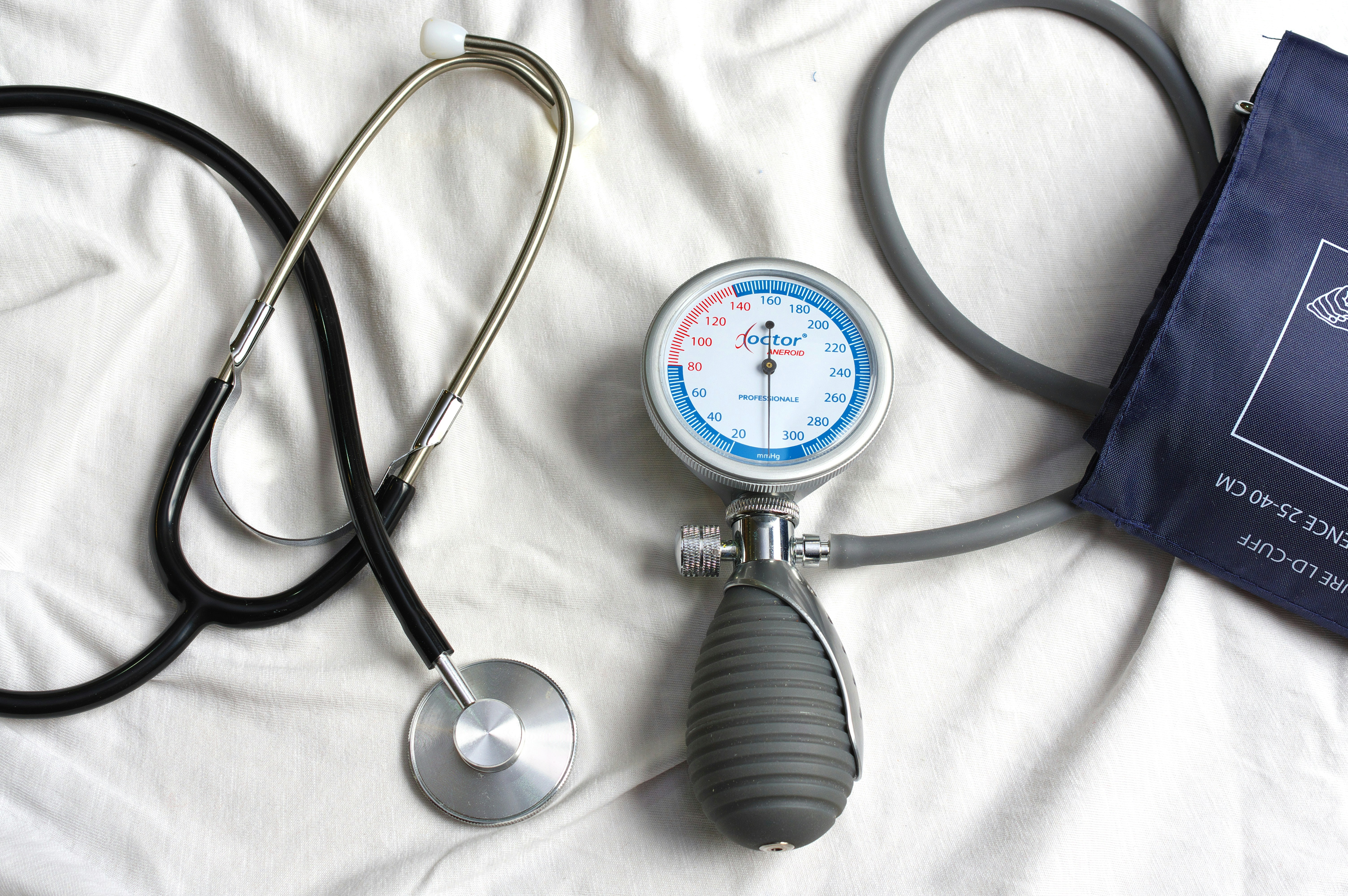
High blood pressure — cardiovascular health

Blood Pressure Stages

✅ Normal

<120/80

Optimal cardiovascular risk

⚡ Elevated

120–129 / <80

Intervene now with lifestyle

⚠️ Stage 1 HTN

130–139 / 80–89

Lifestyle + possible medication

🚨 Stage 2 HTN

≥140 / ≥90

Medication typically required

1.28B
Adults worldwide have hypertension
46%
Are unaware they have hypertension
#1
Risk factor for heart disease & stroke globally
50%
Reduction in risk with lifestyle interventions

Symptoms & Root Causes of Hypertension

Hypertension rarely causes obvious symptoms until it's severe. Understanding root causes is critical — treating a number without addressing why it's elevated leads to perpetual drug dependency.

🚨 Warning Symptoms (Severe HTN)

🤕

Morning Headaches

Occipital (back of head) headaches upon waking — a classic sign of severe hypertension. Caused by nighttime BP peaks that stress cerebral vasculature. These are medical emergencies when accompanied by visual changes or confusion.

👁️

Visual Disturbances & Retinopathy

Blurred vision, seeing spots, or sudden visual loss from hypertensive retinopathy — damage to the retinal blood vessels. An ophthalmologist can see early hypertensive changes in the retina before they become symptomatic.

🫀

Chest Pain & Palpitations

In hypertensive crisis (BP >180/120), chest pain, palpitations, and shortness of breath indicate cardiac strain. Any chest pain with high BP is an emergency — seek immediate medical care.

🩸

Nosebleeds (Epistaxis)

Spontaneous nosebleeds from fragile nasal blood vessels under chronic pressure stress — more common in severe or uncontrolled hypertension. Not a sensitive symptom, but a warning sign that pressure is elevated.

🔍 Root Causes of Hypertension

🧂

Excess Sodium & Low Potassium

The sodium-potassium ratio is the primary dietary driver of hypertension. Western diets provide 3,400mg sodium but only 2,600mg potassium — the inverse of what human physiology evolved for. The resulting imbalance causes fluid retention and arterial stiffness.

🔥

Chronic Inflammation & Endothelial Dysfunction

Systemic inflammation — driven by poor diet, gut dysbiosis, leaky gut, and oxidative stress — damages the endothelium (arterial lining), reducing nitric oxide production and increasing vascular stiffness. This is a major driver of "essential" hypertension.

🩺

Insulin Resistance & Metabolic Syndrome

Hyperinsulinemia directly raises blood pressure by increasing sodium retention (via the kidneys), stimulating the sympathetic nervous system, and promoting endothelial dysfunction. Over 60% of hypertensive patients have concurrent insulin resistance.

😰

Chronic Stress & Cortisol Excess

Prolonged activation of the sympathetic nervous system and HPA axis raises catecholamines (adrenaline, noradrenaline) and cortisol — all of which constrict blood vessels and increase heart rate, chronically elevating BP. Stress management is a non-negotiable component of hypertension treatment.

How to Test for Hypertension & Its Root Causes

🏠 At-Home Monitoring

📏 Home BP Monitoring Protocol

Take readings twice daily (morning before medication, evening after rest) for 7 days. Sit quietly for 5 minutes, use a validated upper-arm cuff, measure twice per session and average. Home monitoring eliminates "white coat hypertension" — which affects up to 20% of clinic readings.

📊 Tracking Patterns

Note BP in relation to meals, stress, sleep, exercise, alcohol consumption, and medication timing. Patterns reveal whether your hypertension is primarily dietary, stress-driven, nocturnal (sleep apnea-related), or medication-dependent.

🔬 Clinical Tests

⏱️ 24-Hour Ambulatory BP Monitor (ABPM)

Wearable cuff measures BP every 20–30 minutes over 24 hours, capturing nocturnal dipping patterns (normal: 10–20% BP drop during sleep). Non-dipping is linked to kidney disease, sleep apnea, and autonomic dysfunction. The most accurate diagnostic tool available.

🧪 Metabolic & Inflammatory Panel

Fasting glucose, HbA1c, fasting insulin, lipid panel with particle size (LDL-P), hsCRP (inflammation marker), uric acid (predicts hypertension risk), kidney function (creatinine, eGFR), urine microalbumin (early kidney damage), thyroid panel, magnesium RBC level.

🫀 Cardiac & Vascular Assessment

Echocardiogram (checks for left ventricular hypertrophy — the heart enlarging under pressure load), carotid intima-media thickness (CIMT) ultrasound (measures arterial plaque and wall thickening), and ankle-brachial index (peripheral artery disease screening).

Holistic vs. Conventional Treatment for High Blood Pressure

🌿 HOLISTIC
💊 CONVENTIONAL
🌿

Holistic / Functional Approach

DASH diet, magnesium, CoQ10, Berberine, Hawthorn, Hibiscus, stress reduction, gut health

BP Reduction Potential
DASH diet alone: −11 mmHg systolic; Magnesium: −4–5 mmHg; Exercise: −5–8 mmHg; combined: −20+ mmHg
Primary Herbs
Hawthorn berry, Hibiscus flower, Olive leaf, Berberine, Garlic extract
Timeline
8–12 weeks for significant, sustained BP reduction with consistent lifestyle change
Side Effects
Virtually none with food-based interventions; Berberine may lower blood sugar in diabetics
Full Holistic Protocol Includes
  • DASH diet — reduces sodium to <2,300mg/day, increases potassium, calcium, and magnesium from whole foods
  • Magnesium glycinate (400–600mg/day) — relaxes arterial smooth muscle, reduces vascular resistance
  • CoQ10 (100–300mg/day) — reduces systolic BP by 10–17 mmHg in studies; supports mitochondrial energy in arterial walls
  • Hawthorn berry extract (500–1,500mg/day) — vasodilatory, improves coronary circulation, mild ACE-inhibitor-like effect
  • Hibiscus flower tea (2–3 cups/day) — reduces systolic BP by 6–13 mmHg in controlled trials; acts as natural ACE inhibitor
  • Olive leaf extract (500–1,000mg/day) — oleuropein inhibits ACE and reduces arterial inflammation
  • Omega-3 fish oil (3–4g/day combined EPA+DHA) — reduces inflammation, improves endothelial function, lowers triglycerides
  • Aerobic exercise 30+ minutes, 5 days/week — one of the most evidence-backed interventions for sustained BP reduction
  • Stress management: meditation, yoga, diaphragmatic breathing — activates parasympathetic NS, reducing sympathetic BP drive
  • Weight loss (if overweight): each 1kg lost reduces systolic BP by ~1 mmHg
Important: Never stop hypertension medications without physician supervision. Use holistic approaches alongside, not instead of, prescribed medications until BP is consistently normal and your doctor agrees to a tapering plan.

The DASH Diet & Beyond for Hypertension

The Dietary Approaches to Stop Hypertension (DASH) diet reduces systolic BP by 8–14 mmHg — comparable to medication — when strictly followed. It prioritizes potassium, magnesium, calcium, and fiber while minimizing sodium and refined carbohydrates.

✅ Eat More Of:

🥬 Potassium-Rich Foods

Bananas, avocado, sweet potato, spinach, white beans, salmon, beet greens. Potassium directly counteracts sodium's BP-raising effects by promoting sodium excretion through the kidneys. Target 4,700mg/day — most Americans get <2,600mg.

🐟 Fatty Fish (Omega-3 Sources)

Salmon, sardines, mackerel, herring 3x/week. EPA and DHA reduce vascular inflammation, improve endothelial nitric oxide production, and lower triglycerides — all of which reduce hypertension risk and severity.

🫐 Flavonoid-Rich Berries & Dark Chocolate

Blueberries, strawberries, dark chocolate (>85%). Flavonoids (specifically anthocyanins and epicatechin) improve endothelial function by boosting nitric oxide bioavailability — the key vasodilatory molecule. Studies show 8–10 mmHg reduction with regular berry intake.

🧄 Garlic & Allium Vegetables

Raw or aged garlic, onions, leeks, chives. Allicin reduces systolic BP by 8–10 mmHg in hypertensive patients via NO-mediated vasodilation, ACE inhibition, and anti-inflammatory mechanisms. Aged garlic extract is the most studied form.

❌ Avoid or Reduce:

🧂 Excess Sodium

Reducing from 3,400mg to <1,500mg/day can lower systolic BP by 5–6 mmHg in sodium-sensitive individuals (about 50% of hypertensives). The biggest sources: processed meats, canned soups, restaurant food, bread, and cheese.

🍺 Alcohol

Each daily alcoholic drink raises systolic BP by 1 mmHg. More than 3 drinks/day doubles hypertension risk. Alcohol raises BP by activating the sympathetic nervous system, disrupting sleep quality, and increasing cortisol — all independent hypertensive mechanisms.

🍬 Sugar & Refined Carbohydrates

Fructose (especially HFCS) raises uric acid, reduces nitric oxide production, and drives insulin resistance — all of which elevate BP. Limiting added sugar to <25g/day is as effective as sodium reduction for many patients.

🥩 Processed & Red Meat

Processed meats (deli meats, sausages, bacon) are simultaneously high in sodium, saturated fat, and AGEs (advanced glycation end-products) — all of which promote endothelial dysfunction and arterial stiffness. Replace with fish, legumes, and poultry.

Evidence-Based Supplements for High Blood Pressure

Each of the following supplements has clinical trial evidence for blood pressure reduction. Used together as part of a comprehensive program, they can rival pharmaceutical intervention in mild-to-moderate hypertension.

SupplementMechanism & EvidenceSuggested DoseTimingNotes
Magnesium GlycinateMagnesium deficiency is present in over 70% of hypertensive patients. Magnesium relaxes arterial smooth muscle by blocking calcium-mediated vasoconstriction (a natural calcium channel blocker), reduces sympathetic nervous system tone, and improves insulin sensitivity. Meta-analyses show 4–5 mmHg reduction with supplementation.400–600mg elemental magnesium/dayWith dinner or before bedGlycinate form is best absorbed and causes no laxative effect. Avoid oxide form (less than 4% absorption). Taurate form also excellent for cardiovascular use.
CoQ10 (Ubiquinol)Ubiquinol is a potent antioxidant that protects endothelial cells from oxidative damage — one of the primary drivers of arterial stiffness. Studies show 10–17 mmHg systolic reduction with 200–300mg/day. Particularly important for patients on statins, which deplete CoQ10 and worsen endothelial function.200–300mg/day (ubiquinol)With a fat-containing meal — fat required for absorptionTakes 8–12 weeks to see full cardiovascular effect. Ubiquinol is the reduced form — 2–3x more bioavailable than ubiquinone, especially over age 40.
Omega-3 Fish Oil (EPA+DHA)High-dose omega-3s reduce BP by improving endothelial nitric oxide production, reducing vascular inflammation, lowering triglycerides, and decreasing blood viscosity. A 2022 meta-analysis of 71 trials found 2.6 mmHg systolic reduction — with higher doses (>3g/day) more effective.3–4g combined EPA+DHA/dayWith mealsChoose IFOS-certified, molecularly distilled to remove heavy metals. Enteric coating reduces fishy aftertaste. Prescription omega-3 (Vascepa/icosapentaenoic acid) used for severe hypertriglyceridemia.
Aged Garlic Extract (AGE)Aged garlic (not raw or cooked) contains S-allylcysteine — a water-soluble compound with potent ACE-inhibitory, vasodilatory, and anti-inflammatory properties. A 2016 randomized controlled trial found 11.8 mmHg reduction in systolic BP with 1.2g/day of aged garlic extract — comparable to first-line medications.1,200–2,400mg/dayWith foodAged form (not raw garlic) has no odor, is stomach-stable, and has more consistent allicin delivery. The most studied natural antihypertensive agent.
Hawthorn Berry ExtractHawthorn (Crataegus monogyna) contains oligomeric proanthocyanidins and vitexin that dilate coronary and peripheral arteries, inhibit ACE, reduce myocardial oxygen demand, and reduce systemic vascular resistance. 500mg 3x/day reduces diastolic BP by 2.6 mmHg in clinical trials — with additional benefits for cardiac output and exercise tolerance.500–1,500mg/day (standardized to 2–3% vitexin)With meals, divided dosesSafe for long-term use. May enhance the effect of cardiac medications — monitor if on digoxin or nitrates.
Hibiscus Flower ExtractHibiscus sabdariffa anthocyanins act as natural ACE inhibitors — reducing systolic BP by 6–13 mmHg in multiple controlled trials. The American Heart Association cited hibiscus tea as one of the most evidence-backed dietary interventions for hypertension. Also reduces LDL oxidation.2–3 cups of hibiscus tea/day or 250mg extract 2x/dayAfter mealsDeep red tart tea. Tartaric, citric, and hibiscus acid provide the active compounds. Avoid if on hydrochlorothiazide — possible interaction.
BerberineBerberine activates AMPK, reduces insulin resistance (a key driver of hypertension), inhibits ACE activity, and reduces vascular smooth muscle calcium sensitivity. A 2022 meta-analysis of 27 trials showed 8.2 mmHg systolic and 4.3 mmHg diastolic reduction. Also potently lowers blood glucose, triglycerides, and LDL.500mg 2–3x/dayWith mealsOne of the most evidence-backed botanical compounds for metabolic hypertension. Monitor blood glucose — can cause hypoglycemia when combined with diabetes medication.
Olive Leaf Extract (OLE)Oleuropein — the key polyphenol in olive leaves — inhibits ACE, reduces LDL oxidation, decreases arterial stiffness, and has direct anti-inflammatory effects on vascular endothelium. A randomized controlled trial (EFLA943 extract) showed equivalent BP reduction to Captopril (ACE inhibitor) at 500mg twice daily.500–1,000mg/day (standardized to ≥20% oleuropein)With mealsChoose a standardized extract with ≥20% oleuropein. Avoid very high doses (>2g/day) which may cause GI upset. Synergistic with Hawthorn.
Potassium (from food or supplement)Potassium counteracts sodium's BP-raising effect by promoting natriuresis (sodium excretion by the kidneys), relaxing vascular smooth muscle, and reducing sympathetic nervous system activity. Increasing daily potassium intake from 2,600mg to 4,700mg reduces systolic BP by 4–8 mmHg independently of sodium reduction.Prioritize food sources; supplement with 200–400mg/day potassium citrate if dietary intake is inadequateWith mealsDo NOT supplement aggressively if you have kidney disease or are on ACE inhibitors/ARBs/potassium-sparing diuretics — risk of hyperkalemia.

Ready to Lower Your Blood Pressure Naturally?

High blood pressure is not a life sentence. A comprehensive root-cause approach — targeting diet, inflammation, stress, and metabolic health — can achieve drug-free or reduced-medication BP control in most cases. Book a consultation to get your personalized plan.