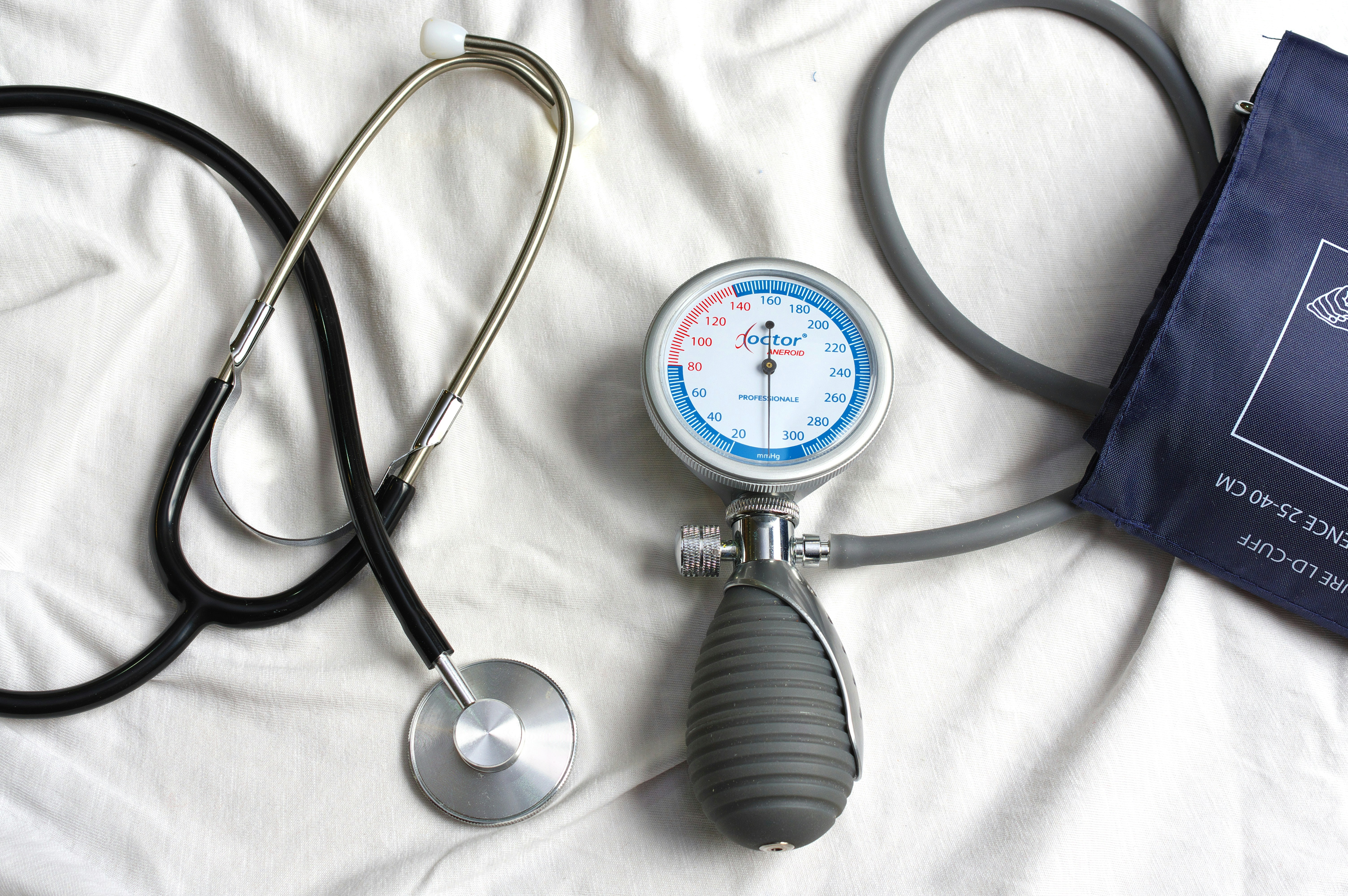
Low Blood Pressure (Hypotension)

Chronically low blood pressure affects millions and is often dismissed as "just being healthy." But persistent hypotension — especially with dizziness, fatigue, and fainting — signals circulatory, adrenal, and nutritional imbalances that demand attention.

Below 90/60 mmHg Adrenal Connection Nutritionally Addressable

What Is Low Blood Pressure?

Hypotension is defined as a blood pressure reading consistently below 90/60 mmHg. While some people naturally run low without symptoms, pathological hypotension causes significant impairment to quality of life and organ perfusion.

Blood pressure is maintained by a complex interplay of cardiac output, vascular resistance, blood volume, and neurological regulation. When any of these systems falters — due to dehydration, adrenal insufficiency, nutritional deficiencies, or autonomic dysfunction — the body's ability to maintain adequate perfusion pressure is compromised.

The brain is particularly vulnerable: even a brief drop in cerebral perfusion pressure causes the characteristic dizziness, "greying out," and fainting episodes that define symptomatic hypotension.

⚠️ Orthostatic hypotension — a drop of 20+ mmHg systolic when standing — affects up to 20% of adults over 65 and significantly increases fall risk and cardiovascular mortality.
Low blood pressure — circulation and cardiovascular health

💡 Key Insight

Low blood pressure is often a symptom of an underlying issue — not a standalone condition. Identifying whether the root is adrenal, nutritional, autonomic, or circulatory determines the correct treatment approach.

Types of Hypotension

🔄 Orthostatic (Postural)

BP drops 20+ mmHg systolic within 3 minutes of standing. The most common type. Caused by failure of the cardiovascular reflex to compensate for gravity-driven blood pooling in the legs. Common in dehydration, prolonged bed rest, autonomic neuropathy (diabetic), medications, and adrenal insufficiency.

🍽️ Postprandial

BP drops 20+ mmHg 30–75 minutes after eating. Blood diverts to the gut for digestion, overwhelming the body's compensatory mechanisms. Common in elderly adults, Parkinson's disease, and autonomic dysfunction. Often confused with "food coma" but represents a clinically significant circulatory failure.

🧠 Neurally Mediated (NMH)

A miscommunication between heart and brain triggers a paradoxical vasodilation and bradycardia response to prolonged standing. Common in young adults and those with POTS (Postural Orthostatic Tachycardia Syndrome). Often triggered by heat, stress, or standing in crowded spaces.

1 in 5
Adults over 65 have orthostatic hypotension
500K+
ER visits annually related to syncope from hypotension
50%
Of hypotension cases are nutritional or dehydration-related
Increased fall risk in elderly with orthostatic hypotension

Signs & Symptoms of Hypotension

Symptoms range from mild inconvenience to debilitating episodes that affect daily functioning and independence.

🫀 Circulatory & Neurological

💫

Dizziness & Lightheadedness

The hallmark symptom — a sensation of the world spinning or the floor moving, particularly upon standing, after meals, or in hot environments. Caused by momentary under-perfusion of the vestibular system and cerebellum.

😵

Fainting (Syncope) & Pre-Syncope

Complete loss of consciousness from cerebral hypoperfusion. Pre-syncope includes the grey-out, tunnel vision, and sudden weakness that precedes a full faint. Accounts for 1–3% of all ER visits annually.

🌫️

Brain Fog & Cognitive Slowing

Chronic under-perfusion of the prefrontal cortex impairs executive function, working memory, and mental clarity. Often dismissed or misattributed to stress, poor sleep, or depression when the root cause is circulatory.

🔲

Visual Disturbances

Blurred vision, greying or blackening of the visual field, and temporary monocular vision loss upon standing — all reflect retinal artery under-perfusion. These are warning signs that should never be ignored.

⚡ Systemic & Energy Symptoms

🪫

Profound Fatigue

Low BP reduces oxygen delivery to all tissues. The resulting cellular energy deficit manifests as crushing fatigue unresponsive to rest — particularly pronounced in the afternoon and after meals. Frequently confused with chronic fatigue syndrome or adrenal burnout.

❄️

Cold Extremities & Poor Circulation

Chronically cold hands and feet, pallor, and slow capillary refill indicate peripheral vasoconstriction — the body's attempt to redirect blood to vital organs at the expense of extremity perfusion.

💓

Heart Palpitations & Rapid Heartbeat

Compensatory tachycardia — the heart beating faster to maintain cardiac output — is extremely common in hypotension. Often misdiagnosed as anxiety or arrhythmia when the true driver is insufficient blood volume or pressure.

🤢

Nausea & Digestive Sluggishness

Low perfusion pressure in the gut reduces digestive enzyme secretion and gut motility, leading to nausea, bloating, slow gastric emptying, and constipation — especially postprandially when blood has diverted to aid digestion.

How to Test for Hypotension & Its Root Causes

Identifying the type and root cause of hypotension requires more than a single blood pressure reading — it demands a dynamic and functional assessment.

🏠 At-Home Assessment

📐 Orthostatic BP Test

Using a home blood pressure cuff: measure BP after lying flat for 5 minutes, then immediately upon standing, then at 1 minute and 3 minutes standing. A drop of ≥20 mmHg systolic or ≥10 mmHg diastolic confirms orthostatic hypotension. Keep a log over 3–5 days for patterns.

💧 Hydration Status Check

Dark urine (darker than pale yellow), infrequent urination, or persistent thirst suggests dehydration as a driver. Track daily fluid intake and note whether symptoms improve with increased water and electrolyte consumption.

📔 Symptom Diary

Log episodes of dizziness, pre-syncope, fatigue, and palpitations alongside time of day, meals, activity, temperature, and fluid intake. Patterns reveal whether the trigger is postural, postprandial, thermal, or metabolic.

🔬 Clinical Tests

🛏️ Tilt Table Test

The gold standard for diagnosing neurally mediated hypotension and POTS. Patient is strapped to a motorized table that tilts from horizontal to 70° while continuous BP and heart rate are monitored. Reproduces and characterizes syncope episodes in a controlled clinical setting.

🩸 Adrenal & Hormonal Panel

Morning cortisol (8 AM draw), DHEA-S, aldosterone, and renin levels assess adrenal function. Low aldosterone reduces sodium retention and blood volume — a key reversible cause of hypotension. 24-hour urine cortisol provides the most complete adrenal picture.

🧪 Comprehensive Blood Panel

CBC (anemia check), BMP (electrolytes, kidney function), thyroid panel (hypothyroidism lowers BP), B12 and folate (neurological function), ferritin (iron deficiency causes orthostatic hypotension independently), and HbA1c (diabetic autonomic neuropathy).

❤️ Holter Monitor & Echocardiogram

Rules out structural cardiac causes (valve disease, cardiomyopathy, heart failure) and rhythm disturbances that reduce cardiac output. Important when hypotension is severe, accompanied by chest pain, or unresponsive to fluid and electrolyte correction.

Holistic vs. Conventional Treatment for Low Blood Pressure

🌿 HOLISTIC
💊 CONVENTIONAL
🌿

Holistic / Functional Approach

Hydration, electrolytes, adrenal support, dietary sodium, herbal vasotonic agents

Primary Strategy
Correct dehydration, optimize electrolytes, support adrenal function, increase dietary sodium
Key Herbs
Licorice root, Ashwagandha, Rhodiola, Eleuthero, Rosemary
Timeline
Improvement often within 2–4 weeks with hydration and electrolyte correction
Side Effects
Licorice root raises BP via aldosterone — monitor if used long-term
Full Holistic Protocol Includes
  • Increase fluid intake to 2.5–3.5L/day with added electrolytes (sodium, potassium, magnesium)
  • Liberal sodium intake (3,000–5,000mg/day) unless contraindicated — salt draws water into the vascular space
  • Licorice root (deglycyrrhizinated or whole root at therapeutic dose) — inhibits cortisol breakdown, raising aldosterone-like BP support
  • Adaptogenic herbs (Ashwagandha, Rhodiola, Eleuthero) to restore adrenal axis tone
  • Compression stockings to reduce venous pooling in the lower extremities
  • Small, frequent meals to prevent postprandial BP drops
  • Head-of-bed elevation (10–20°) to activate renin-angiotensin system during sleep
  • Caffeine in moderation — temporarily increases BP; use strategically in the morning
  • CoQ10 and B12 supplementation for mitochondrial energy and autonomic nerve function
Important: Whole licorice root (not DGL) raises blood pressure via mineralocorticoid effect. Use under supervision and monitor BP weekly. DGL form is safe but does not raise BP.

Diet & Nutrition for Low Blood Pressure

Diet is the most powerful and immediate tool for managing hypotension — particularly through fluid, sodium, and meal-timing strategies.

✅ Eat More Of:

🧂 High-Sodium Foods (Strategic)

Sea salt, olives, pickles, miso soup, anchovies, canned fish. Sodium retains water in the vascular compartment, increasing blood volume and pressure. Aim for 3,000–5,000mg/day (unless heart or kidney disease is present).

💧 Electrolyte-Rich Foods

Coconut water, bone broth, bananas, avocado, leafy greens, sweet potato. Balanced electrolytes (sodium, potassium, magnesium) optimize fluid regulation and prevent osmotic imbalances that worsen hypotension.

🩸 Iron & B12 Sources

Grass-fed red meat, organ meats (liver), shellfish, dark leafy greens. Iron-deficiency anemia and B12 deficiency are significant and reversible causes of hypotension — both reduce oxygen-carrying capacity and autonomic nerve function.

☕ Moderate Caffeine

1–2 cups of coffee or green tea in the morning can temporarily raise blood pressure and improve alertness in hypotensive patients. Use strategically — not in the evening when orthostatic symptoms are typically less severe.

❌ Avoid or Reduce:

🍺 Alcohol

A potent vasodilator — alcohol lowers blood pressure by relaxing arterial walls and causing fluid loss through increased urination. Even moderate alcohol consumption can trigger symptomatic episodes in hypotensive individuals.

🍽️ Large Meals

Large carbohydrate-heavy meals trigger postprandial hypotension by diverting significant blood volume to the gut. Switch to 5–6 small meals instead of 2–3 large ones to prevent post-meal crashes.

🌡️ Hot Foods & Beverages

Hot soups, stews, and beverages cause peripheral vasodilation, temporarily lowering BP. Hot showers and baths have the same effect. Lukewarm is preferable when symptomatic.

🍬 Refined Carbohydrates & Sugars

Rapid blood sugar spikes followed by crashes can trigger reactive hypoglycemia — which compounds and mimics hypotension symptoms. A low-glycemic diet with protein and fat at every meal stabilizes both blood sugar and blood pressure.

Key Supplements for Low Blood Pressure

Targeted supplementation can address the underlying drivers of hypotension — from adrenal insufficiency to iron deficiency to autonomic dysfunction.

SupplementRole in HypotensionSuggested DoseTimingNotes
Licorice Root (Whole)Contains glycyrrhizin, which inhibits the enzyme that breaks down cortisol, effectively prolonging its mineralocorticoid action — increasing sodium and water retention, raising blood volume and pressure. One of the most effective natural BP-raising compounds available.600–1,200mg/day (standardized extract)Morning with breakfastDo NOT use DGL form — glycyrrhizin is removed in DGL. Monitor BP weekly. Avoid in hypertension, pregnancy, or cardiac edema.
Electrolyte Complex (Na, K, Mg)Replaces the three key osmotic regulators of blood volume. Sodium retains water intravascularly; potassium and magnesium support vascular tone and cardiac rhythm. Essential when hypotension is driven by dehydration, excessive sweating, or diuretic use.1–2 servings/dayMorning + post-exercise or in hot weatherChoose a formula with sodium chloride, potassium citrate, and magnesium glycinate. Avoid sweetened sports drinks with high sugar.
Ashwagandha (KSM-66)Adaptogenic herb that modulates the HPA axis and adrenal output. In adrenal-driven hypotension (low cortisol, burnout), ashwagandha restores cortisol rhythm and improves autonomic tone, supporting appropriate blood pressure regulation.300–600mg/dayMorning with foodUse standardized KSM-66 or Sensoril forms. Takes 4–8 weeks to see effect on adrenal function.
Rhodiola RoseaStimulating adaptogen that enhances sympathetic nervous system tone and energy production. Particularly useful in hypotension with predominant fatigue, brain fog, and exercise intolerance — improves alertness and vascular response to exertion.200–400mg/dayMorning, before mealsMildly stimulating — avoid in the evening. Use in the first half of the day only.
Vitamin B12 (Methylcobalamin)B12 deficiency causes autonomic neuropathy — disrupting the nerve signals that regulate vascular tone and orthostatic response. Methylcobalamin directly supports myelin sheath integrity of autonomic nerve fibers. A frequently missed reversible cause of orthostatic hypotension.1,000–5,000mcg/day (sublingual or injected)Morning, fastedSublingual methylcobalamin (not cyanocobalamin) absorbs regardless of intrinsic factor status. Blood test baseline before supplementing.
Iron Bisglycinate + Vitamin CIron-deficiency anemia reduces blood viscosity and oxygen-carrying capacity, directly contributing to hypotension and orthostatic symptoms. Vitamin C enhances non-heme iron absorption by up to 3-fold and reduces oxidative conversion.Iron: 18–36mg/day; Vitamin C: 500mg alongsideBetween meals (better absorption away from food)Confirm iron deficiency with ferritin, serum iron, and TIBC before supplementing. Iron bisglycinate causes less GI upset than ferrous sulfate.
CoQ10 (Ubiquinol)Mitochondrial cofactor that supports cardiac output and overall cellular energy production. Low CoQ10 is linked to reduced heart rate variability and autonomic tone — both of which impair the body's ability to compensate for postural changes in blood pressure.100–200mg/day (ubiquinol form)With a fat-containing mealUbiquinol is the reduced, active form — better absorbed than ubiquinone, especially over age 40.
Folate (Methylfolate)Required for nitric oxide regulation and healthy endothelial function. Folate deficiency, like B12 deficiency, contributes to autonomic dysfunction and anemia. The active methylfolate form bypasses the MTHFR enzyme mutation present in ~40% of the population.400–800mcg/day (as 5-MTHF)Morning with foodUse methylfolate (5-MTHF), not folic acid. Particularly important when B12 is also being supplemented — they work synergistically.
Salt Tablets (Sodium Chloride)For severe or drug-resistant orthostatic hypotension, pharmaceutical-grade sodium chloride tablets provide a controlled, measured dose of sodium to increase intravascular volume and reduce orthostatic BP drop. More reliable than dietary salt alone in severe cases.0.5–1g tablets, 1–3x/dayWith meals and fluidsUsed under medical supervision. Monitor for edema or cardiac strain. Most effective when combined with compression stockings and adequate fluid intake.

Ready to Reclaim Your Energy and Stability?

Hypotension is rarely "just the way you are." Identifying the root cause — adrenal, nutritional, autonomic, or structural — and addressing it directly can transform daily functioning. Book a consultation to get started.